Guides Slavonia, told from home
One pig, five sausages and a grandmother who knows you are still hungry
In eastern Croatia a sausage starts on a cold November morning with a pig and half the street. It ends months later with a knife and a moment of truth. I grew up there, and I know which sausage you fry, which you guard all year, and which one I still haven't dared to eat.
 AI-generated
There is a joke in Slavonia: Chuck Norris once convinced a Slavonian grandmother that he wasn't hungry any more. Nobody believes it. Walk into a village house and you will be asked to sit, asked if you are hungry, and fed whatever your answer was. Whatever hangs in the pantry comes to the table: kulen, kobasica, bacon, bread. Saying no takes stubbornness and practice.
I was born in 1977 and grew up in Gunja, a village on the Sava with a bridge across to Brčko in Bosnia. Gunja belongs to the Cvelferija, a group of villages whose name comes from the German zwölf, twelve: under the Habsburg Military Frontier they formed the twelfth company of the Brod regiment. This is the pig slaughter I helped with as a child, the sausages it gave, and what to do with each of them.
One Slavonian pig gives five sausages, and each has its own job. Start where they all start.
November: everyone gets a knife
Almost every family in a Slavonian village kept pigs, and around November they slaughtered. The klanje, as we always called it at home (elsewhere in Croatia it is the kolinje), needed every pair of hands, and in the 1980s that included us children. I sat at the table with the adults cutting meat into small pieces, and followed the whole process from the first cut to the filled casings.
One person had the last word: the expert, a neighbour or relative, who mixed the final filling and seasoned it. The recipe stayed the same, pork, fat, salt, paprika and garlic, but one master leaned hotter and the next milder, and every family swore by its own.
The day had its own menu. Fresh čvarci, crackling straight out of the fat. Fried liver. A good piece of meat seared on both sides with salt and a spoon of Vegeta, eaten by dunking bread into the juices left in the pan. And the first kobasica of the year, which I ate as a child right there at the slaughter: too fresh to keep, heavy with paprika, straight into the frying pan. That one never sees the smokehouse.
Kobasica: one sausage, four ages
 AI-generated
The Slavonska kobasica is the everyday sausage: lean pork with up to 30% fat, salt, sweet and hot paprika and garlic in thin pork casing, cold-smoked over beech or hornbeam. Since 2023 the dried version, sold as a pair, has been an EU protected name. At home nobody waits for it to dry, because each stage has its dish.
Fresh or just smoked, it goes into the pan whole. My mother fried one in its own fat, rolled it into a pancake and called it kobasica u šlafroku, the sausage in a dressing gown. I dipped it in vrhnje, the Slavonian sour cream that sits close to crème fraîche, and ate a whole sausage at a sitting. Sliced and fried until the red fat runs, it takes a few eggs and becomes breakfast: jaja s kobasicom.
Smoked and firmer, it goes into the pot. In my sarma, sour cabbage rolls layered in a clay pot the way my mother taught me with ribs and bacon, coarse chunks of kobasica give the broth paprika and heat without running the show. Beans boiled for hours with kobasica, grah s kobasicom, is the other classic. Fully dried, it slices thin and goes on the cold platter, since it is too hard for much else.
It travels, too. Anglers and hunters pack a kobasica or a piece of bacon. We love to fish, and when nothing bites on the Sava, the sausage goes on the grill by the water.
Kulen: the emperor of sausages
 AI-generated
Slavonski kulen is the region's noble sausage: the best cuts of the pig, leg, loin, shoulder and neck, with little fat, seasoned with nothing but salt, paprika and garlic. It goes into the caecum, the short, wide pouch at the start of the large intestine. The protected version ripens for at least 150 days.
It is smoked and dried in the pušnica, the smokehouse in the yard. The ones I remember were small towers, about a metre wide and deep, built for sausage and now and then cheese. The fire is beech or hornbeam; a kulen maker from Kuševac told Novi list she burns nothing else.
Then the kulen has to get through winter, and Slavonian winters are hard. If it freezes through, it can rot from the inside, and you only see it when you cut it: a hole in the middle, and it is lost. In my family the first one often came to the table at Easter.
For me kulen is the emperor of all sausages, and it comes down to volume. A steak works the same way: crust and centre both matter, but only if there is enough of each. A kobasica is too thin for that; outside and inside taste almost the same. A kulen has room for both. The inside is dry enough that it no longer tastes like fresh meat, the outside almost parched and crumbly, and that contrast builds a structure a good palate can enjoy for a long time.
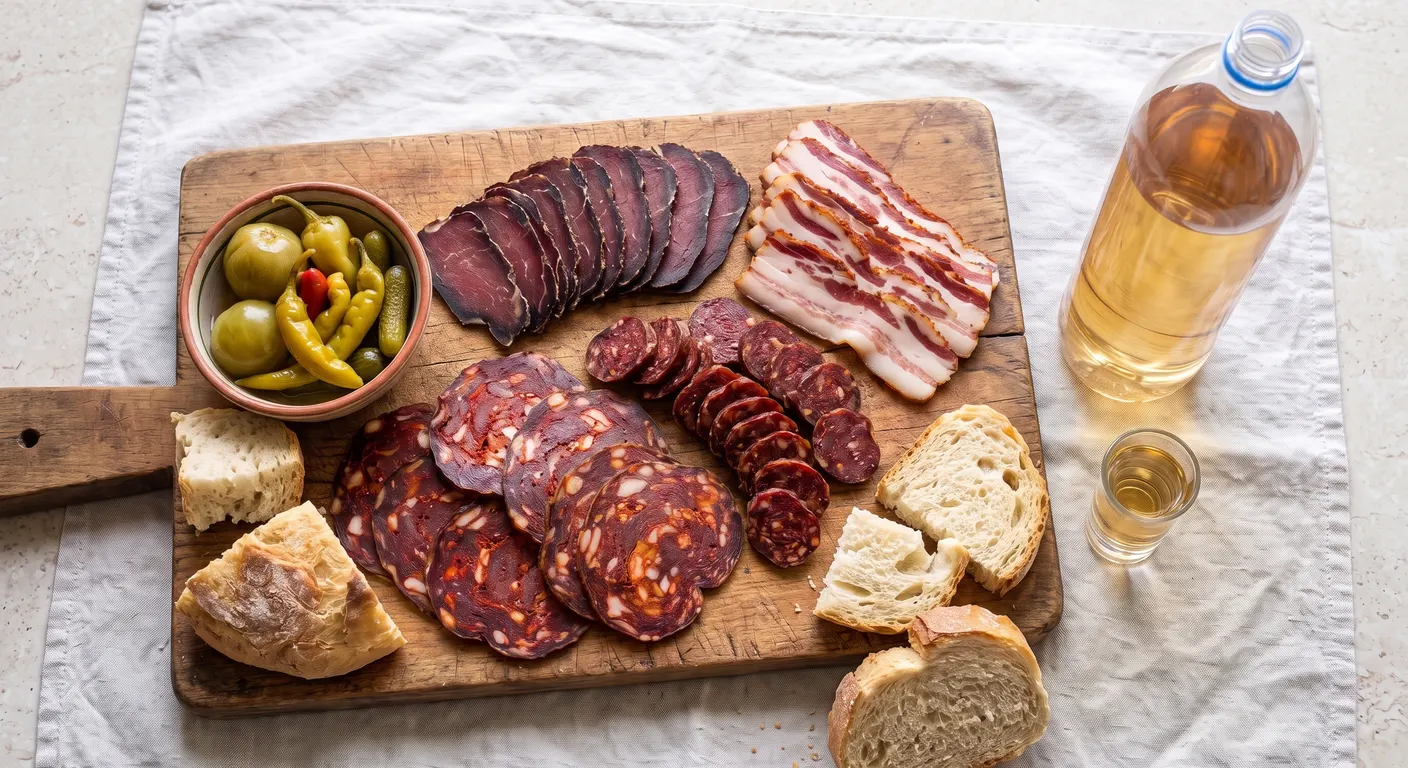
Then there is the heat. Kulen has no mercy: it fights back on your tongue, gets loud and stays loud all night. You will still remember it the next morning. That is why we eat so little of it, slice by slice, with a little fresh cheese, something pickled and bread. To be honest it is over-seasoned, but in the best possible way. It doesn't belong in a dish. It is the dish.
And it doesn't stay the same. Over the year it keeps drying, each stage tastes different, and everyone has a favourite. Even the last, bone-dry piece is a treat: you gnaw your way through, it is almost tough, and it still tastes of the centre you remember. Maybe no other sausage has that balance. But that is just my opinion.
“Kulen has no mercy. It fights back on your tongue, and you will still remember it the next morning.”
Seka: because a pig has one caecum
 AI-generated
One caecum per pig means one kulen per pig, and the filling is too good to stop there. The rest goes into a longer, narrower casing, at home the rest of the pig's large intestine, and becomes kulenova seka, kulen's little sister. It dries sooner and costs less: Kulen Novosel in Gat sells it at 21 euros a kilo, against 34 for kulen. The name has no protection, so it promises nothing about where or how it was made.
My verdict: same filling, not the same flavour. The thinner sausage never gets the deep, soft texture of a whole kulen. You eat it the same way, cold and sliced, and you don't wait until Easter for it.
Baranjski or Slavonski?
 AI-generated
There are two protected kulens, and they are two different sausages. Baranjski kulen comes from Baranja, the corner between the Danube and the Drava, and has been an EU protected name since 2015. Slavonski kulen followed in 2017. The word kulen on its own is free for anyone; only the full names are protected.
The quickest tell is pepper. Baranja adds white pepper, while the Slavonian rulebook allows only salt, paprika and garlic. Slavonski kulen ripens longer, at least 150 days against 90, and its pigs must be born and fattened in the area. Baranja's file describes a mild heat led by smoke, Slavonia's an intense, salty and hot taste. The table sorts out the rest.
At a glance
The five sausages side by side, from the casing to the plate.
| Kobasica | Slavonski kulen | Baranjski kulen | Kulenova seka | Krvavica | |
|---|---|---|---|---|---|
| Casing | Thin pork small intestine | Pig's caecum | Pig's caecum (katica) | Pig's large intestine at home, often beef casing in factories | Pork casing, tied into rings |
| Seasoning |
|
|
|
|
|
| Ready after | At least 45 days for the protected pair; fried fresh on the day too | At least 150 days | At least 90 days | Sooner than kulen; no fixed time | Cooked and eaten the same day |
| How it's eaten | Fried, cooked into dishes, sliced cold | Sliced cold, on its own | Sliced cold, on its own | Sliced cold | From the pot, or baked whole with sauerkraut |
| Protected name | EU PGI, 2023 | EU PGI, 2017 | EU PGI, 2015 | No | No |
Casing
- Kobasica
- Thin pork small intestine
- Slavonski kulen
- Pig's caecum
- Baranjski kulen
- Pig's caecum (katica)
- Kulenova seka
- Pig's large intestine at home, often beef casing in factories
- Krvavica
- Pork casing, tied into rings
Seasoning
- Kobasica
-
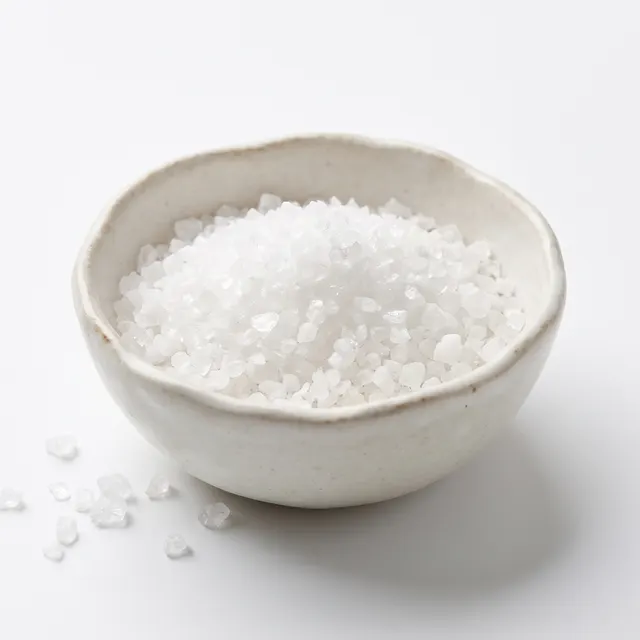 Salt
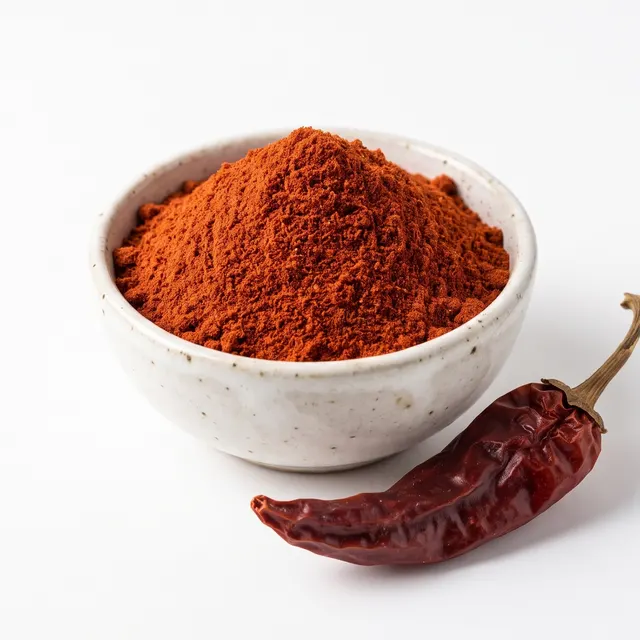 Sweet paprika
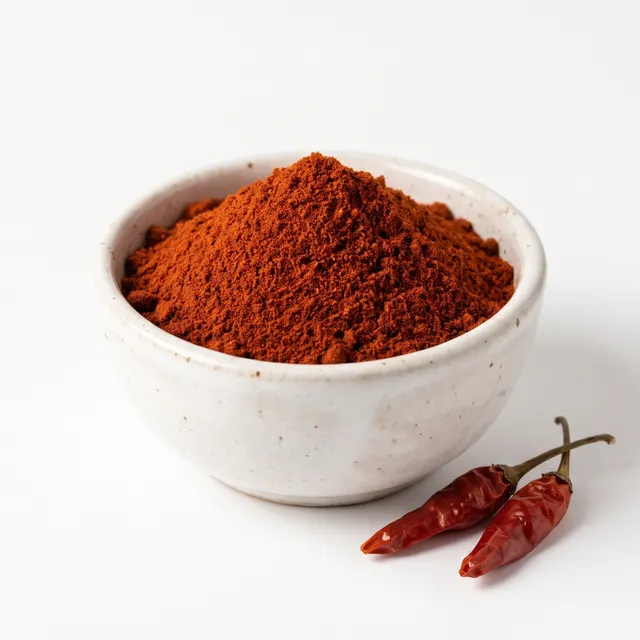 Hot paprika
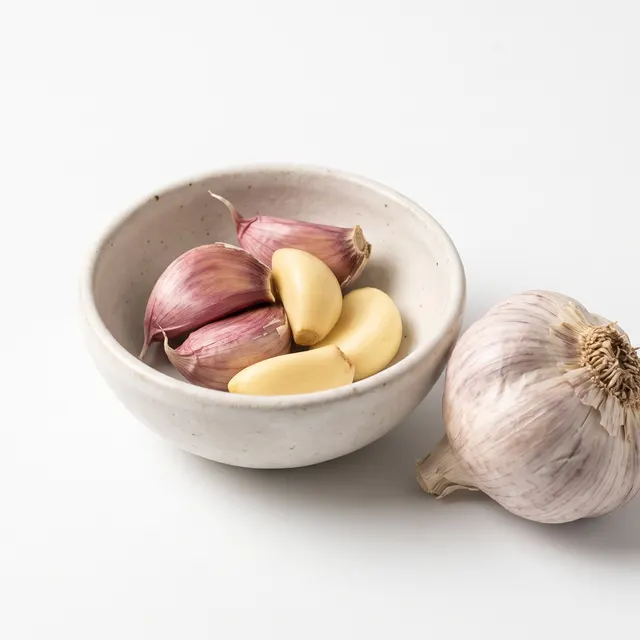 Garlic
- Slavonski kulen
-
- Salt
- Sweet paprika
- Hot paprika
- Garlic
- Baranjski kulen
-
- Salt
- Sweet paprika
- Hot paprika
- Garlic
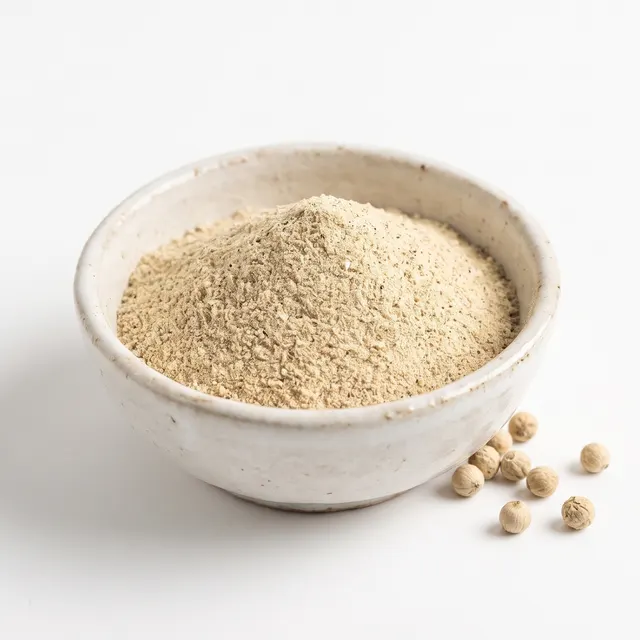 White pepper
- Kulenova seka
-
- Salt
- Sweet paprika
- Hot paprika
- Garlic
- Krvavica
-
- Salt
- Hot paprika
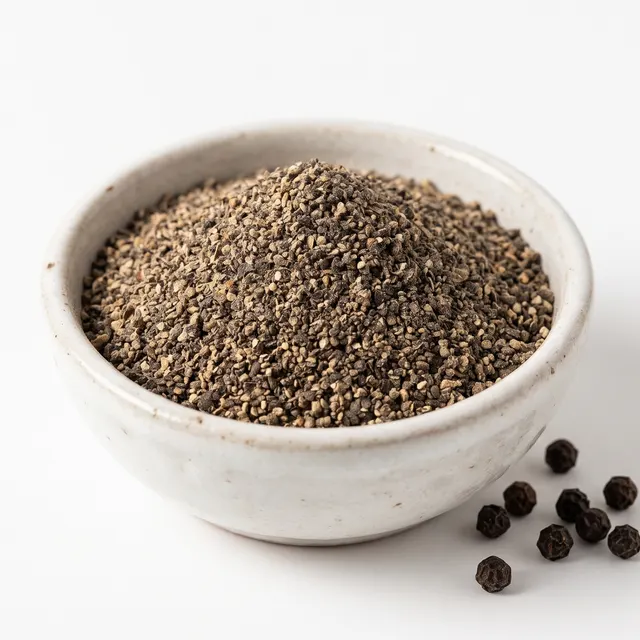 Black pepper
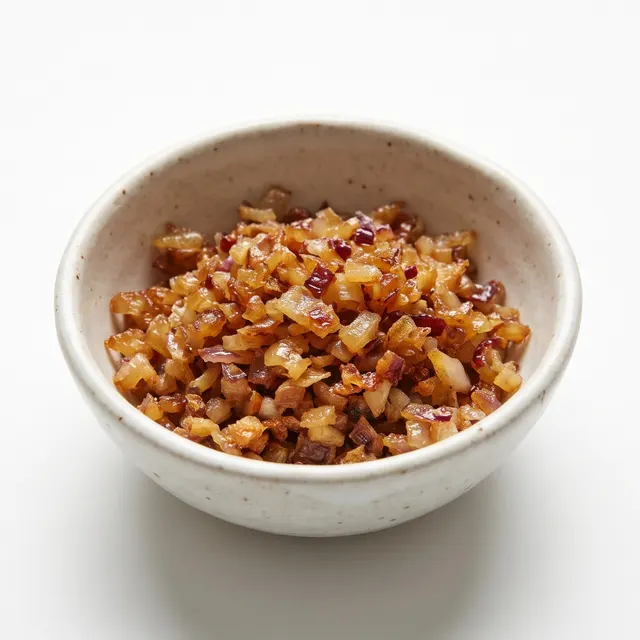 Fried onion
Ready after
- Kobasica
- At least 45 days for the protected pair; fried fresh on the day too
- Slavonski kulen
- At least 150 days
- Baranjski kulen
- At least 90 days
- Kulenova seka
- Sooner than kulen; no fixed time
- Krvavica
- Cooked and eaten the same day
How it's eaten
- Kobasica
- Fried, cooked into dishes, sliced cold
- Slavonski kulen
- Sliced cold, on its own
- Baranjski kulen
- Sliced cold, on its own
- Kulenova seka
- Sliced cold
- Krvavica
- From the pot, or baked whole with sauerkraut
Protected name
- Kobasica
- EU PGI, 2023
- Slavonski kulen
- EU PGI, 2017
- Baranjski kulen
- EU PGI, 2015
- Kulenova seka
- No
- Krvavica
- No
Krvavica, the one I still owe
Krvavica is the blood sausage of the slaughter, and in Slavonia it holds no grain: head meat, offal, onion fried in lard and blood. It comes out of the pot on the evening of the klanje. Later it is baked whole and served with sauerkraut and fried potatoes.
I can't tell you how it tastes, and I'm a little ashamed of it. As a child I found it revolting, and I have never tried one since. It is my next voyage of discovery. If you get there first, the Darócz farm in Vardarac and Kod Varge in Baranja serve it.
A Slavonian wedding: something to experience and survive
Travel through Slavonia and meet people, and you notice fast how open and generous they are. Food and drink are there to be shared; here that counts as life itself. At a wedding this attitude reaches its peak and turns into the ultimate madness, above all at the table. Other regions may have more finesse in their drinking; Slavonia has it in its food. It is not food that makes you live long, but it is food you love living with. Dangerously tasty.
In the beginning was the rakija, and an empty stomach. So come as hungry as you can. Šljivovica appears long before the food: when the bride walks in, during the ceremony, at every chance anyone finds. A decorated wooden flask, the čutura, travels from mouth to mouth. The most important rakija of the evening, though, comes right before the first course, and in Slavonia the first course is traditionally soup. Rakija, then soup: plain, and all the better for it.
The soup is a strong beef broth, steaming hot in front of you. This is the moment. Your stomach is empty; with luck you at least drank some water. You knock back a generous šljivovica in one go, no mercy. It should be a lot, and it should hurt. There is a reason it is called brandy, from the Dutch for burnt wine: it burns all the way down.
Then the first spoonful, and the broth heals the wound the rakija has just made. Beef broth is boring, really; you picture something greyish with long-cooked meat in it. In that moment it tastes like a revelation. You hurt yourself a little on purpose and put the cure on straight away. Anyone who has tried it tends to drink a rakija before every meal afterwards. Each to their own, but give it a try.
After the soup comes the beef that cooked in it, with horseradish and the potatoes from the same pot, much like Austrian Tafelspitz. Then sarma, often with stuffed peppers; in Slavonia it is cooked in a pot and served with its broth. Then suckling pig, already carved on platters. Out in the yard someone may be stirring čobanac, a paprika-red stew of several meats, in a kettle over a wood fire, and the smoke gets into the broth.
Anyone still hungry then gets the cold platter. It stays out all night while people drink, talk and pick at it: kobasica, kulen, seka and krvavica, bacon, suho meso (smoked dried ham), and sir i kajmak, fresh cow's cheese with sour cream. Since the early 2000s there is sometimes a homemade salami too, milder, unsmoked, almost Mediterranean. Everything is homemade; bring shop sausage and you become the talk of the wedding, and not in a good way. At modern weddings the platter now often opens the meal, I suspect through influences from Italy and the Dalmatian coast. I skip it then and wait for the soup.
The real high point comes after the savoury part. The women bake, three, five or more kinds each; my aunt still makes about ten for some weddings. Kiflice with jam (I never liked them, most people love them), košnice shaped like little beehives, a cake called Margita and dozens more, stacked on tiered stands. It is a hobby and a competition. Each baker stays near her cakes, and the moment you can breathe again she holds out a piece: try this one, I made it. Then the next aunt arrives. The only guests who leave a Slavonian wedding hungry are the vegetarians and vegans. Everyone else rolls home.
Rakija first, then the fight over the bill
In Slavonia a meal starts with rakija, usually šljivovica, plum brandy, and it often ends with one too. The Požega-Slavonia tourist board also describes a meal that opens with a toast of rakija, though it puts a cold platter before the soup. How to drink the most important one, before the soup, is described above. In my experience Slavonian rakija runs softer than the fierce Bosnian and Serbian kind, and that is how Slavonians like it.
Farmers drink less wine than you might expect. In the fields it is gemišt, white wine with sparkling water, and beer.
Then the bill. Sit in a Slavonian café and watch the end of the evening: everyone reaches for it, nobody wants to be treated, everyone wants to treat. Generosity is how you earn trust there, and a person who doesn't share loses it fast. In my childhood the whole village turned up when someone built a house or put on a new roof, children included. I was on my first building site at eight or nine, and nobody spared the kids.
Buying it: ask a person, not the internet
Don't look for the best kulen in a supermarket. You buy it from a farmer, and to find the farmer you ask around. No search engine and no AI has this information, only the locals, and they will take you there. It feels a little like a drug deal. It works.
The same goes for rakija. It is homemade, and the good stuff comes in a 1.5-litre plastic water or cola bottle. That is how it travels west, too. I live in Switzerland, and I was once stopped at the border on my way back from family in Croatia. The officer asked me to open the boot and show him the šljivovica. I laughed, because I had some, but in a one-litre bottle: a traveller may bring only one litre of spirits over 18% into Switzerland without paying tax, and my family likes to fill the 1.5-litre ones. He looked a little disappointed.
If you don't know anyone yet: Zlatni Lug serves kulen, seka and kobasica, Vinkomir in Kutjevo puts kulen on its winemaker's platter, and Josić in Baranja serves Baranjski kulen with Graševina. Kulen Novosel in Gat sells all three sausages; its kulen contains nitrite, so it falls outside the protected recipe.
A region, not a nation
Slavonian food carries a lot of history. After the Ottoman wars the Habsburgs resettled the plain in the 18th century, with German colonists among others, and I still see German villages in the straight streets and rows of houses. Hungary ruled here for centuries, and recipes and words travelled back and forth across the plain. Hungarians are not Slavs, but they took their word kolbász from their Slavic neighbours. That has little to do with nations and a lot to do with neighbours. My surname, Kolbas, sounds like it. My father's family are Rusyns from Ruski Krstur in Vojvodina, a community whose ancestors came south from the Carpathians in the 18th century.
Not every village is as mixed as Gunja, where Croats, Bosniaks and Serbs live side by side and my best friends from childhood come from all sides. Some places are strongly Catholic Croatian, others Serbian Orthodox, and the mixed areas have shrunk since the war of the 1990s. But that is not my point. There is a Slavonian vibe, and it belongs to the region, not to one people. The kobasica shows it best: it gives the region its own identity, and people gather around a sausage. I still find that fascinating.
The knowledge behind these sausages is shared and refined together, and anyone who invents something good gets copied, gladly. I imagine that is how kulen happened: kobasica was the be-all and end-all for a long time, and getting a kulen right must have been a stroke of luck. The word is in print as early as 1768. You see the same in the baking: Habsburg heritage, fine pastries in every shape that recall Italy, plenty of sugar and creams that turn your head.
Not everything has to come from Slavonia. I used to wish for a Slavonian prosciutto. Today I think: leave prosciutto where it is, that is what trade is for, and we should have much more of it. The other way round, someone in another country should enjoy kulen the way people enjoy caviar. It is on that level.
The people who make this food have an astonishing palate and love the good life. They can experiment even more, as long as they hold on to the tradition with all their stubbornness, because it is worth so much. If you want to widen your taste, like to eat and drink well and spend time with good people, the food alone is worth the journey: eat, drink, talk about yourself, about politics, about anything. The people are good and the food is good. That is not something you can take for granted. Come hungry.
Still curious?
What is the difference between kulen and kulenova seka?
Both use the same kind of filling. Kulen goes into the pig's caecum, of which each pig has one, and ripens for months; seka goes into a longer, narrower casing, dries sooner and costs less. Only Slavonski kulen and Baranjski kulen are protected names; seka is not.
Is Baranjski kulen the same as Slavonski kulen?
No. They are two separate EU protected names, from 2015 and 2017. Baranjski kulen contains white pepper and needs at least 90 days; Slavonski kulen has no pepper, needs at least 150 days, and its pigs must come from the area.
How much rakija can I bring into Switzerland?
According to the Swiss customs office, each traveller aged 17 or over may bring in 1 litre of spirits over 18% per day without paying tax. Above that, the tax is CHF 29 per litre of pure alcohol, plus VAT.
Sources
- Slavonski kulen, EU Implementing Regulation 2017/1992
- Slavonski kulen, product specification, Croatian Ministry of Agriculture
- Baranjski kulen, EU Implementing Regulation 2015/1579
- Slavonska kobasica, EU Regulation 2023/678
- Slavonska kobasica, product specification, Croatian Ministry of Agriculture
- Kulenova seka, Kulen Novosel shop
- Smoking kulen with hornbeam and beech, Novi list
- Rakija, cold platter, soup: a Slavonian meal, Novi list
- Cvelferija, Wikipedia
- Gunja, Croatian Wikipedia
- Pannonian Rusyns, Wikipedia
- kobasica, etymology, Wiktionary
- Spirits allowance, Swiss Federal Office for Customs and Border Security
- Slavonian čobanac, Wikipedia
- Grah s kobasicama, Coolinarika