Zampone Modena
Zampone
Emilia-Romagna, Italy
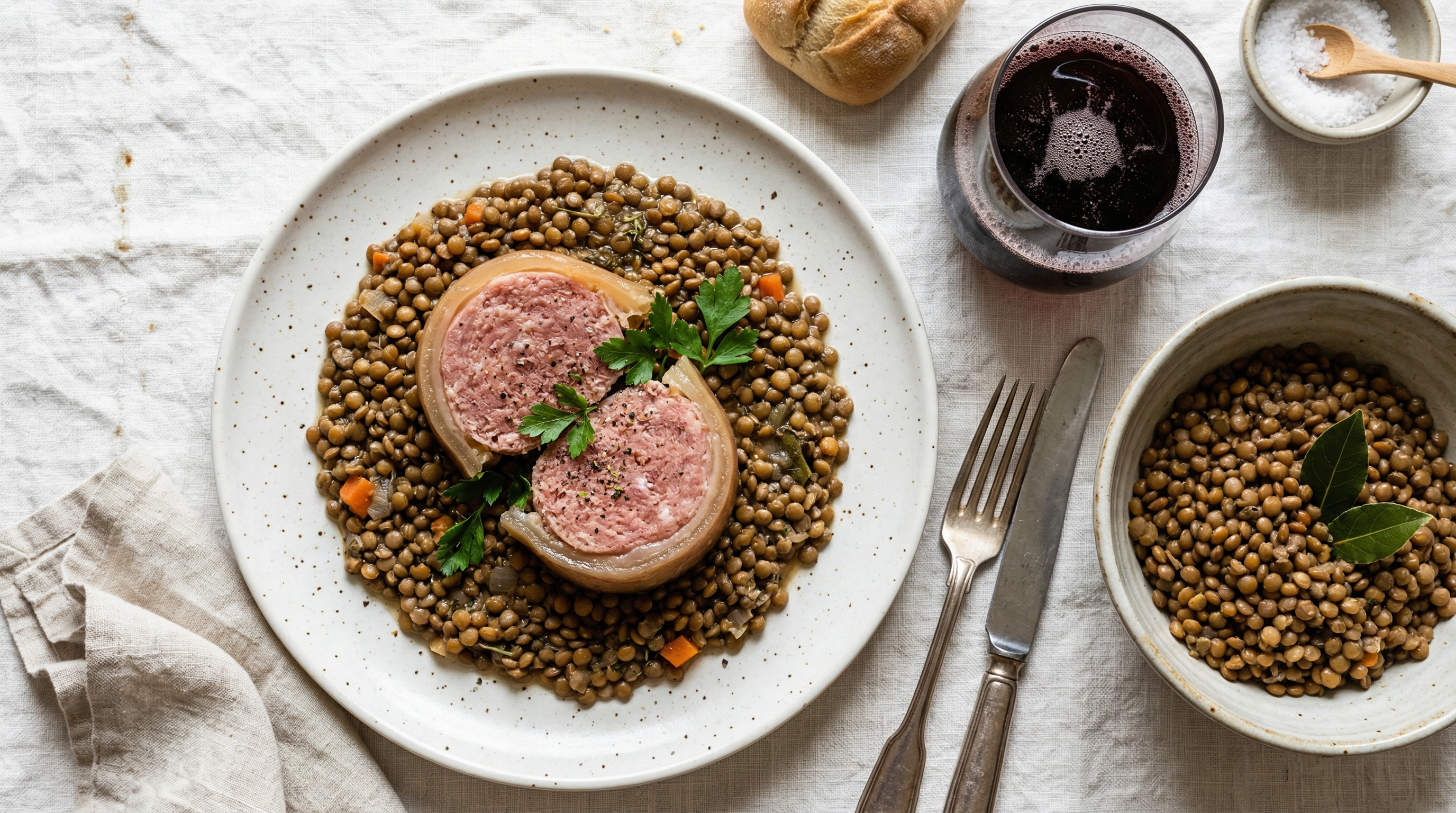
A pork sausage mixture packed into a boned pig's front trotter. The casing is edible and gives the finished sausage its unmistakable shape. Slow-cooked until the skin softens, it is sliced at the table and served with lentils or mashed potato. Zampone Modena carries IGP protection.
History
Zampone's documented history begins in 1511, during the siege of Mirandola. According to the account, a butcher named Giorgio Armani (no relation to the fashion house) suggested stuffing pork into the skin of a trotter to stretch provisions during the blockade. The story may be embellished, but the sausage's connection to Modena and the Po Valley is well-established. Today it carries IGP status as Zampone Modena and remains the traditional centerpiece of Italian New Year tables, paired with lentils as a symbol of prosperity.
Ingredients
Preparation
The filling is ground from pork rind, muscle, and fat, then seasoned with salt, pepper, nutmeg, cinnamon, and cloves. The mixture goes into a deboned trotter, which is then tied and slow-cooked in water for three to four hours. Pre-cooked vacuum-packed versions are common; they reheat in boiling water for about 20 minutes.
Taste
Rich pork with warm spice notes from nutmeg and cinnamon. The skin contributes a gelatinous quality that coats the palate. Savory overall with a mild sweetness from the spice blend.
Texture
Soft and yielding when sliced, with the cooked trotter skin adding a silky gelatinous layer around the filling. The interior is finely ground and cohesive.
Rituals & Traditions
New Year's Eve
Across Italy, zampone with lentils is the canonical New Year's Eve dish. The lentils symbolize money: the more you eat, the better your fortune in the coming year.
Prick the skin before cooking
A few small piercings prevent the trotter skin from splitting during the long simmer. Use a toothpick or fine skewer.
On the Map
Where to Buy
+ Know a producer? Suggest oneWhere to Eat
Mercato di Mezzo
Bologna, Italy
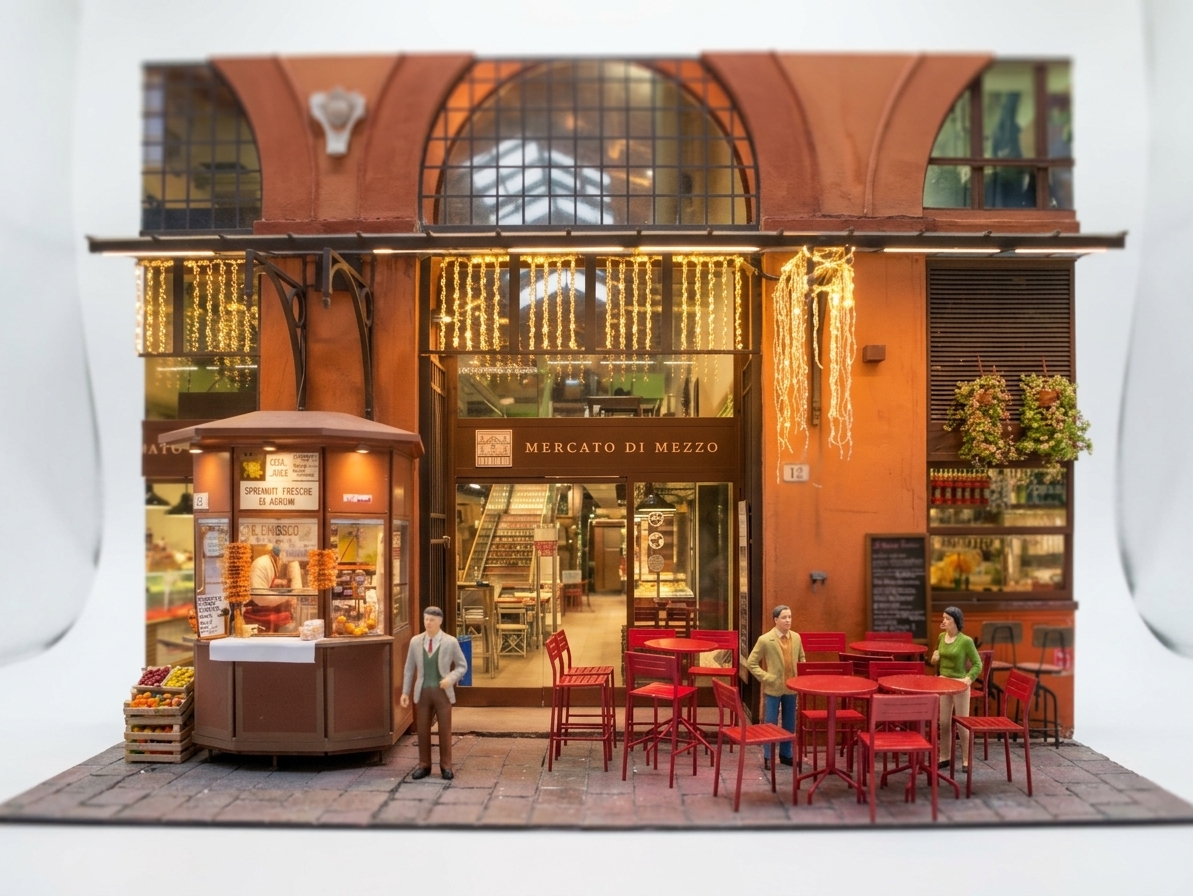
Mercato di Mezzo sits at the centre of the Quadrilatero, the medieval market grid that still functions as Bologna's food heart. The covered hall brings together vendors selling mortadella by the slice, cotechino in winter, fresh pasta, and local cheeses. A mezzanine bar overlooks the ground floor stalls. The mercato runs from morning until late evening, and the crowd shifts from market shoppers to aperitivo drinkers as the day goes on.
Tamburini
Bologna, Italy
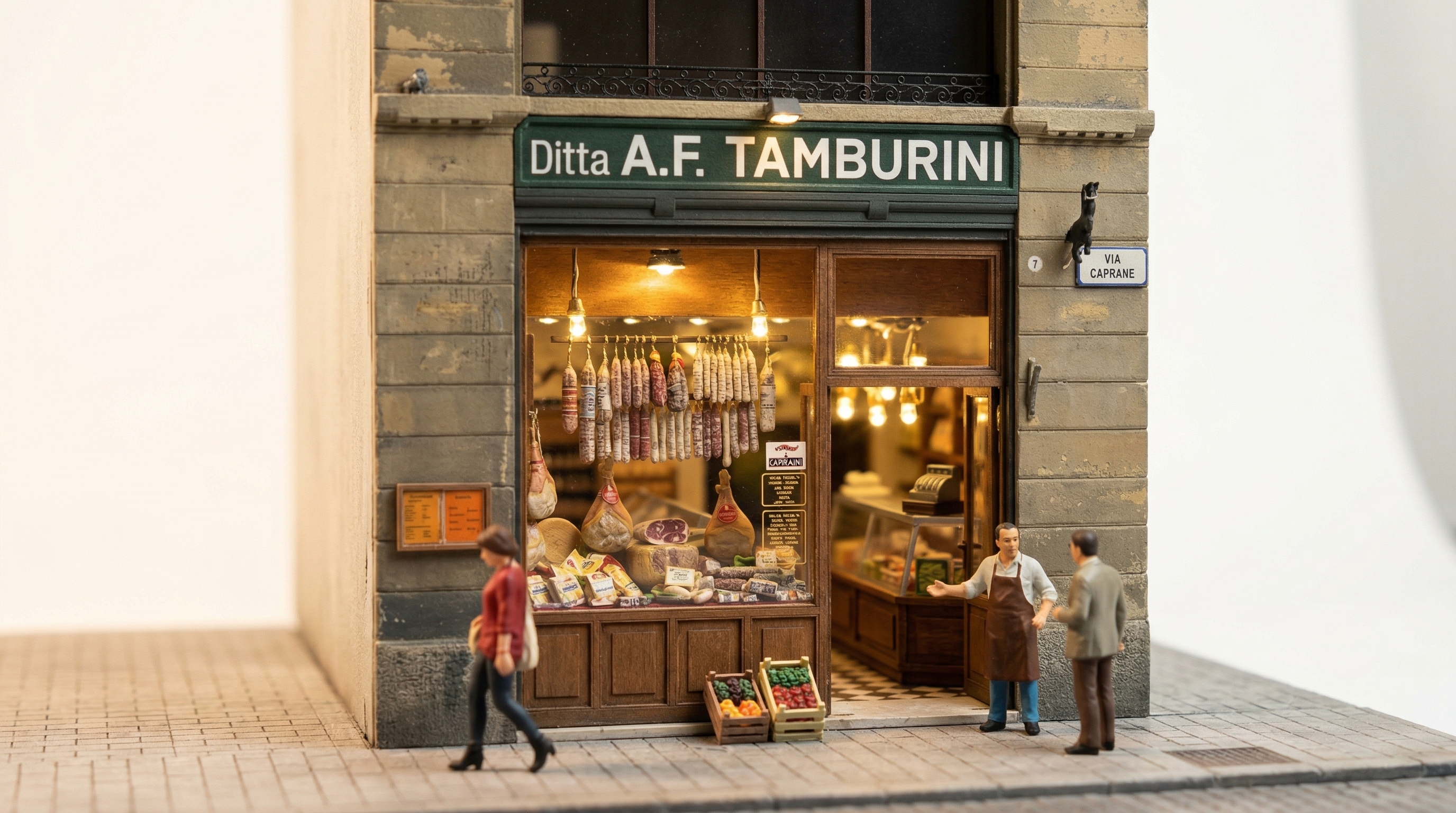
Tamburini opened on Via Caprarie in 1932 and has anchored Bologna's Quadrilatero ever since. Mortadella hangs in the window, cotechino rests in the cold case, and the counter staff move with the efficiency of people who have sliced a lot of meat. The shop is also a tavola calda — warm dishes at lunch, eaten standing at narrow counters along the walls. No other salumeria in Bologna draws the same mix of locals, market vendors, and visitors who have done their homework.
Trattoria Anna Maria
Bologna, Italy
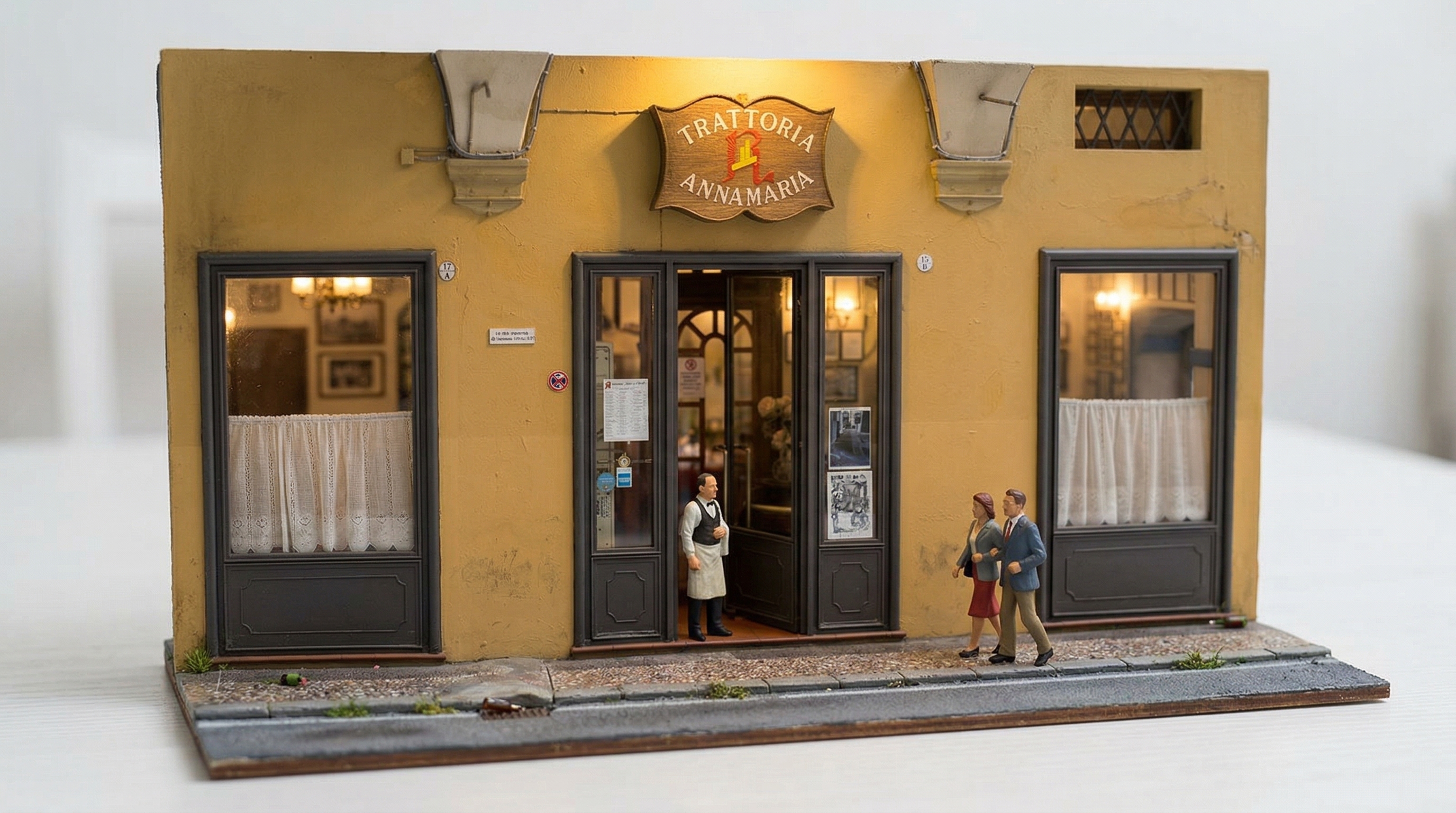
Trattoria Anna Maria occupies a small room on Via Belle Arti, its walls thick with signed photographs from Italian film and theatre. Anna Maria Monari opened it in 1984 and the kitchen has not drifted far from her original repertoire. Handmade pasta is the draw, but the bollito misto — boiled meats served with a green sauce — arrives in winter with cotechino and zampone alongside the chicken and beef. No dish here is meant to impress. Each one is meant to be eaten.