Salame Felino
Emilia-Romagna, Italy
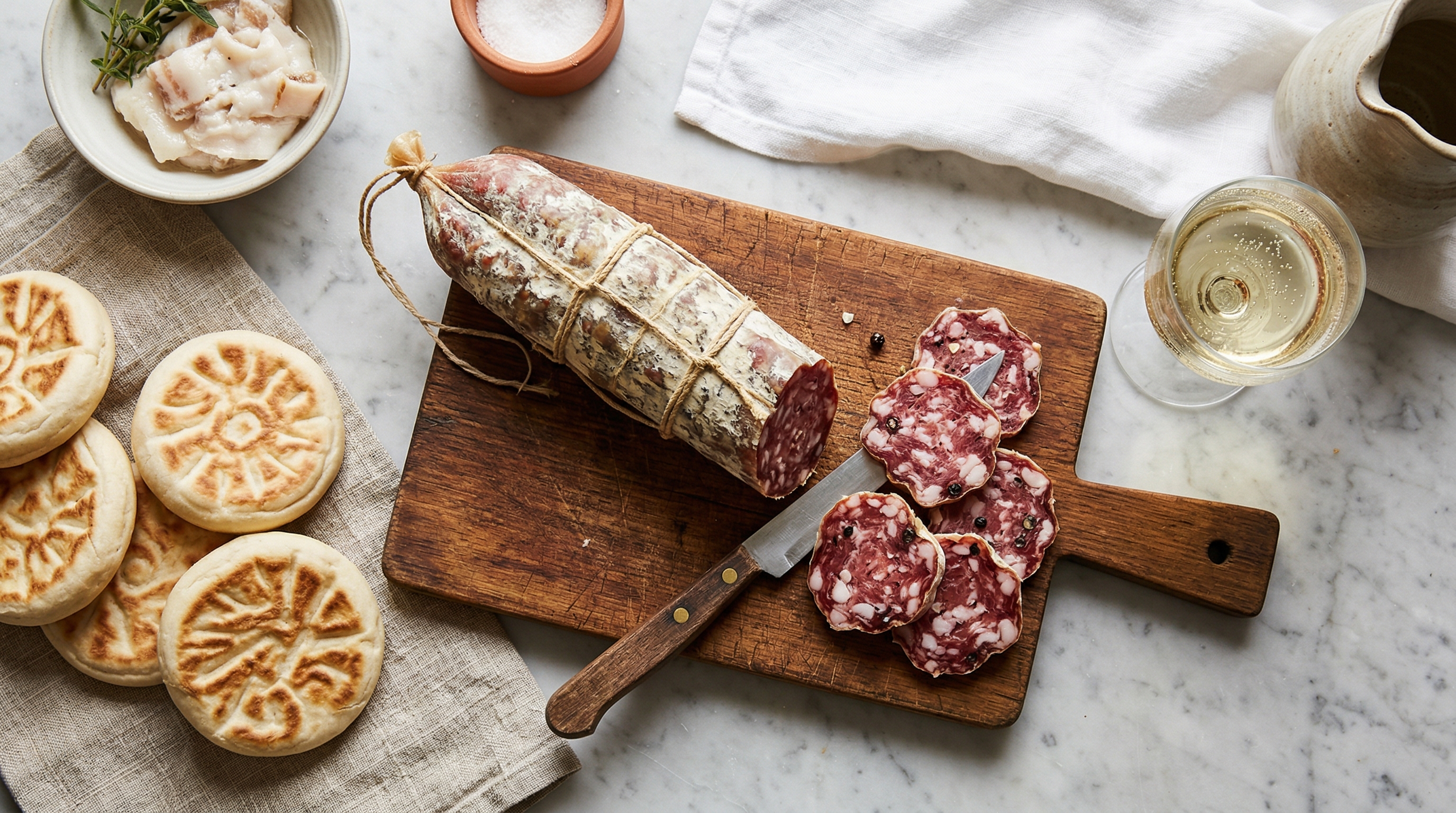
A soft, mild salami from the village of Felino in the Parma hills. Made from pork shoulder and loin with very little added fat, it is ground coarsely, seasoned with white wine and whole black peppercorns, and cured for a minimum of 25 days. The result is sliceable but yielding, pale pink inside, with a gentle pork flavor and none of the sharpness common in harder salamis. It holds IGP status.
History
The village of Felino, 15 kilometers south of Parma, has produced this salami for centuries. The local pigs fed on whey, a byproduct of Parmigiano-Reggiano production, which influenced the flavor and kept costs low. The first written mention dates to the 1400s. By the 19th century, Felino salami was being shipped to markets in Bologna and beyond. The IGP designation, granted in 2013, codified the production zone and minimum standards.
Ingredients
Preparation
The pork is coarsely ground and mixed with salt, white wine, whole peppercorns, and garlic. The mixture stuffs into a natural pork casing tied at regular intervals and hung to cure. Minimum curing time is 25 days; longer ageing produces a firmer, more complex product. The salami's characteristic shape is tapered at one end because the casing follows the natural gut shape.
Taste
Clean, mild pork without the acidic sharpness of some northern Italian salamis. The whole peppercorns deliver occasional heat. White wine softens the curing and keeps the overall profile fresh.
Texture
Coarsely ground and soft; the fat and lean are visible as distinct pieces rather than blended. Slices hold together but yield easily on the palate.
Rituals & Traditions
Slice on an angle
Cut at a steep diagonal to maximize surface area. Felino's soft texture makes thin slices possible by hand with a sharp knife.
Refrigerate before slicing
Serve Felino at room temperature. Cold dulls the flavor and the soft fat hardens unpleasantly.
On the Map
Where to Buy
+ Know a producer? Suggest oneWhere to Eat
Drogheria della Rosa
Bologna, Italy
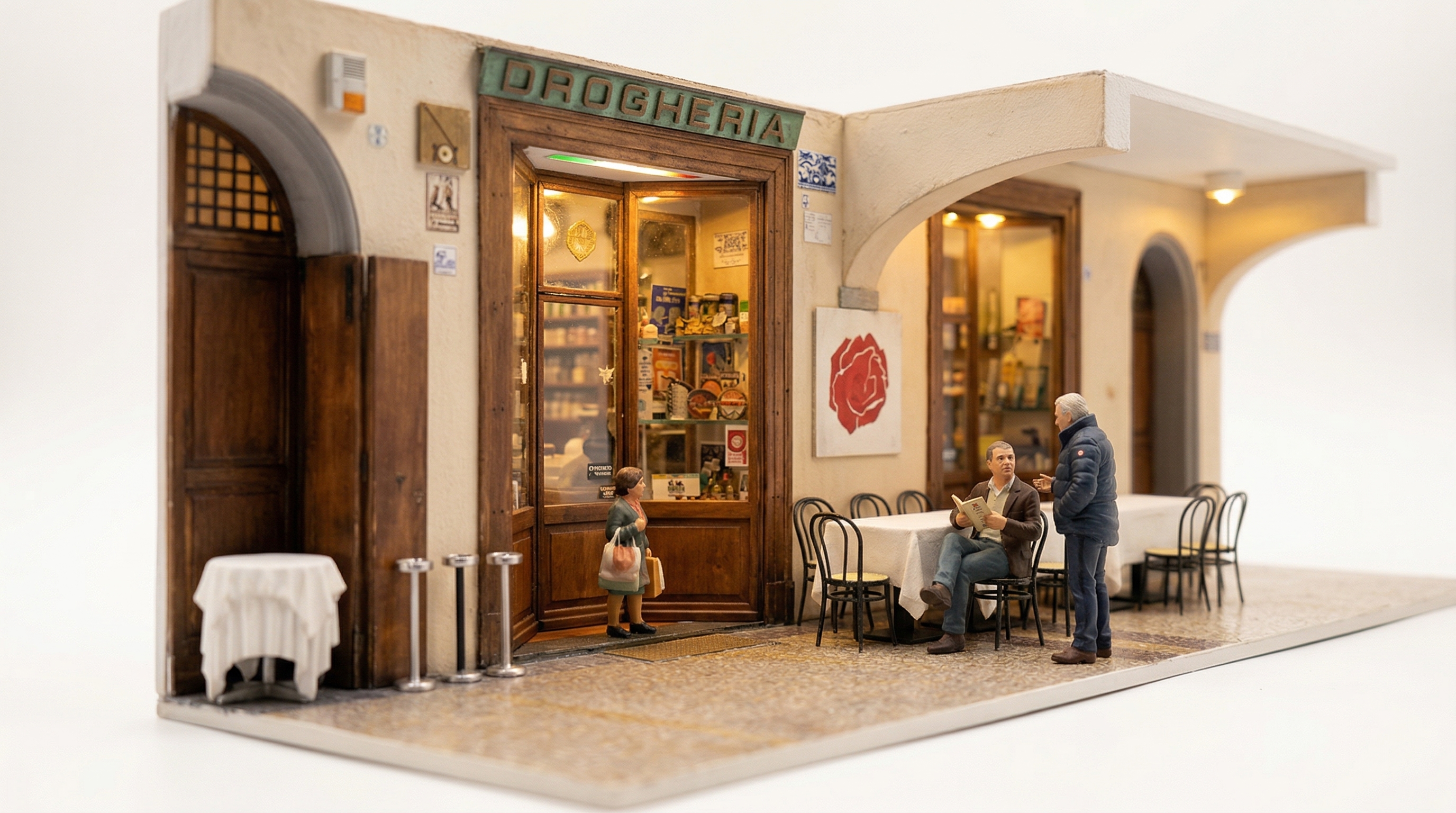
The building on Via Cartoleria operated as a pharmacy for generations before Emanuele Addone converted it into a restaurant in 1997. Some of the original glass cabinets and shelving remain, now holding wine bottles instead of remedies. The menu rotates daily around what is local and in season. Salumi boards arrive with mortadella, cured meats from smaller Emilian producers, and bread from a nearby bakery. The room seats thirty at most, and reservations are worth making.
Salumeria Simoni
Bologna, Italy
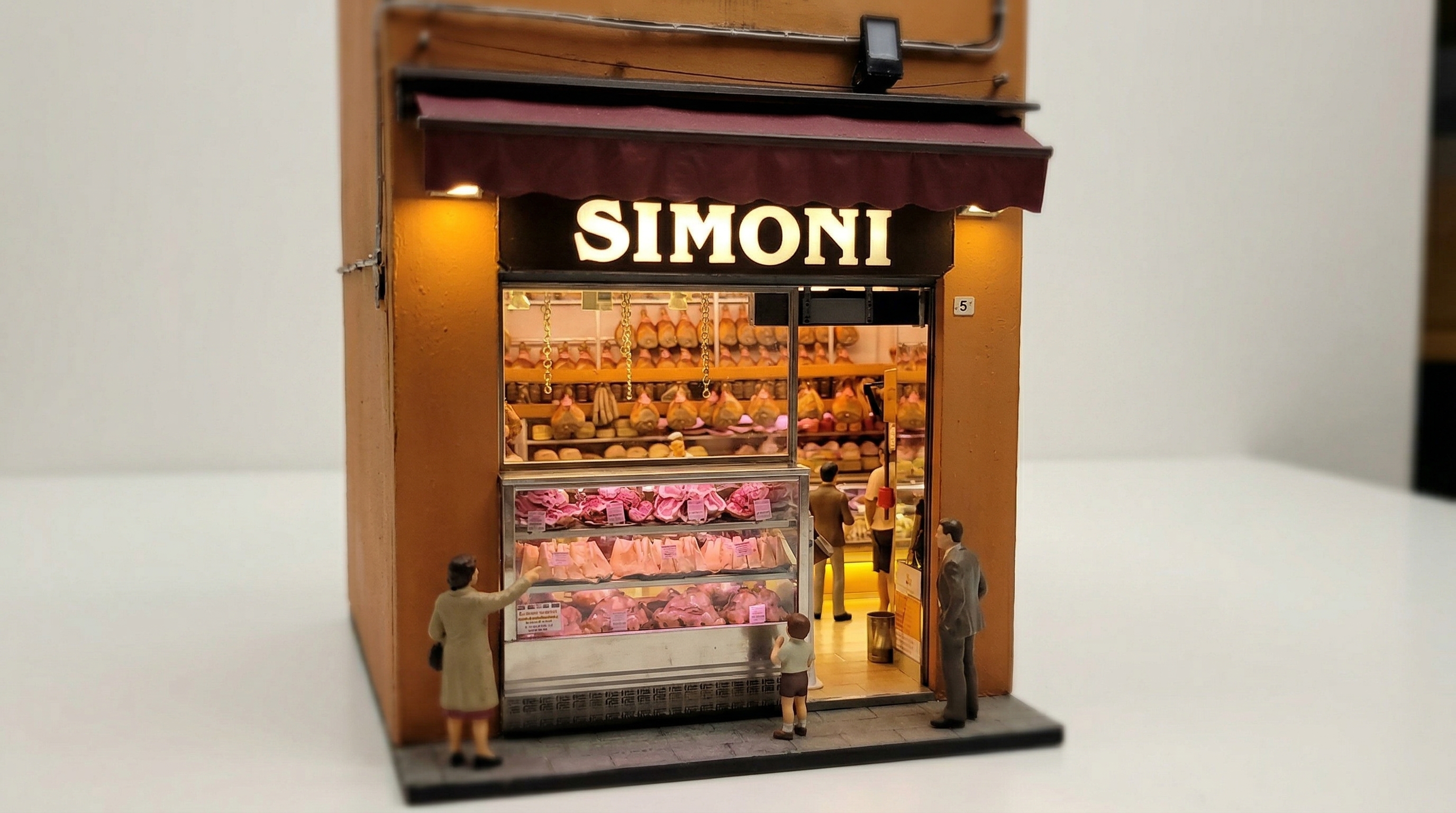
Salumeria Simoni has occupied its corner of Via Drapperie since 1951. Cured meats hang from the ceiling in dense rows, and the smell reaches you before the shop does. This is the Quadrilatero at its most photogenic — but the locals who come here aren't after atmosphere. They want mortadella sliced thin, a piece of good salame, and a quick conversation with whoever is behind the counter. The shop stocks regional producers from across Emilia-Romagna.
Tamburini
Bologna, Italy
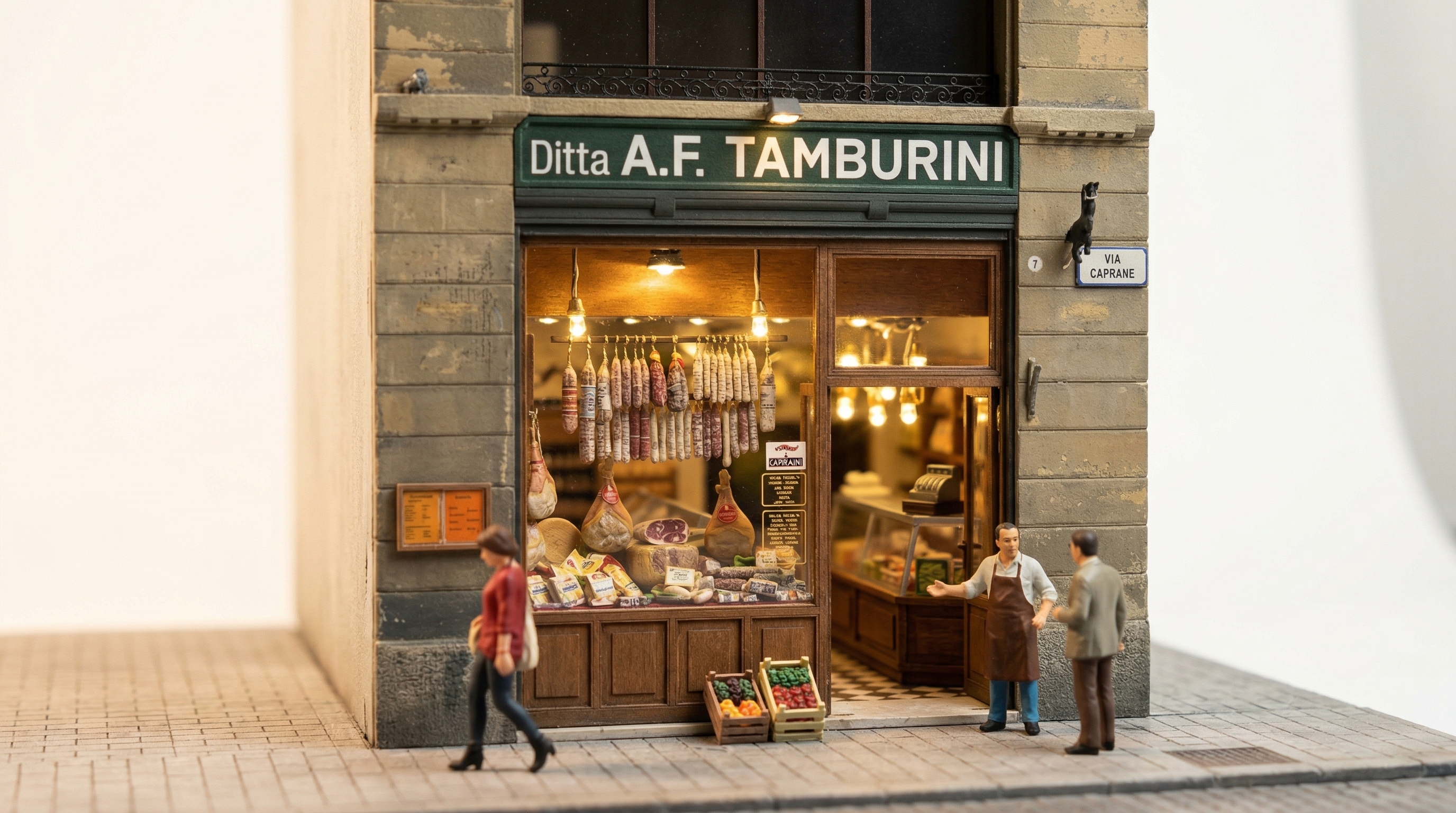
Tamburini opened on Via Caprarie in 1932 and has anchored Bologna's Quadrilatero ever since. Mortadella hangs in the window, cotechino rests in the cold case, and the counter staff move with the efficiency of people who have sliced a lot of meat. The shop is also a tavola calda — warm dishes at lunch, eaten standing at narrow counters along the walls. No other salumeria in Bologna draws the same mix of locals, market vendors, and visitors who have done their homework.