Mortadella
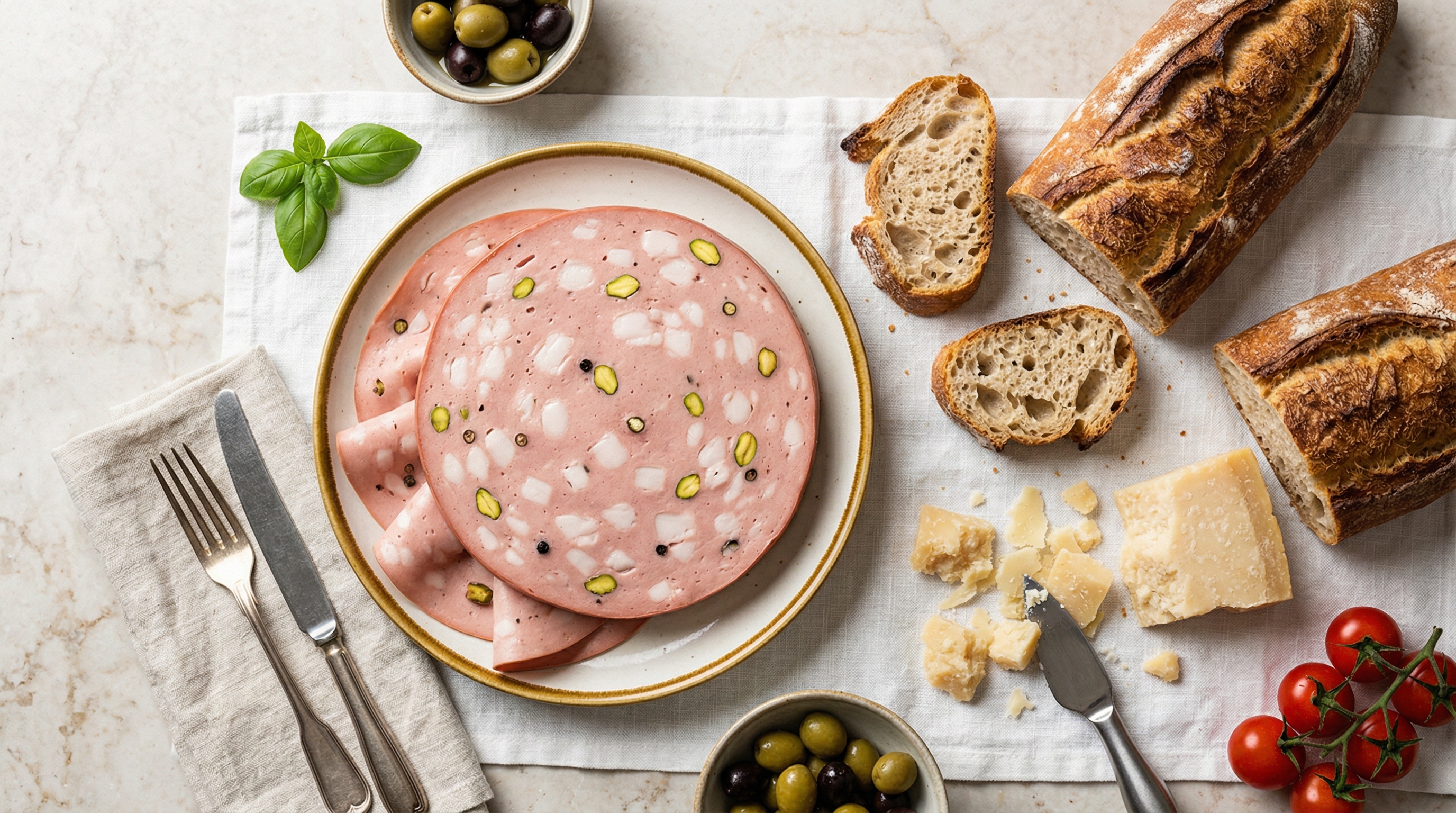
Mortadella is a large Italian sausage, made from finely ground pork. Cubes of pork fat stud the smooth, pink surface. The sausage gets subtle flavor from spices and sometimes pistachios. It is often sliced thin and enjoyed in sandwiches or as part of an antipasto platter.
History
Mortadella's origins trace back to Bologna, Italy, in the 14th century. Some believe it evolved from a Roman sausage called "farcimen." By the 17th century, a corporation in Bologna regulated its production. Today, mortadella remains a symbol of Bologna and a beloved Italian delicacy, enjoyed worldwide. The Museo della Storia di Bologna displays artifacts related to its history.
Ingredients
Preparation
The process starts with grinding pork into a fine paste. Pork fat cubes, spices, and sometimes pistachios are mixed in. The mixture gets stuffed into a large casing, cooked slowly in special ovens, and then cooled. This careful process ensures a uniform texture and flavor.
Taste
Mortadella offers a savory, rich flavor. The pork provides a meaty base, while the fat adds richness. Spices like black pepper and coriander contribute warmth and complexity.
Texture
The texture is smooth and yielding. Visible fat cubes create a pleasant contrast. A good mortadella should be moist, not dry.
Rituals & Traditions
Mortadella Festival in Zola Predosa
Each September, Zola Predosa, near Bologna, hosts a festival dedicated to mortadella. The festival includes tastings, cooking demonstrations, and celebrations of local food culture.
Eat it fresh
Mortadella is best enjoyed soon after slicing. This ensures the freshest flavor and most appealing texture.
Overcook it
Avoid cooking mortadella at high temperatures for extended periods. It can dry out, losing its characteristic moisture and softness.
Recipes
Classic Mortadella Sandwich
Mortadella
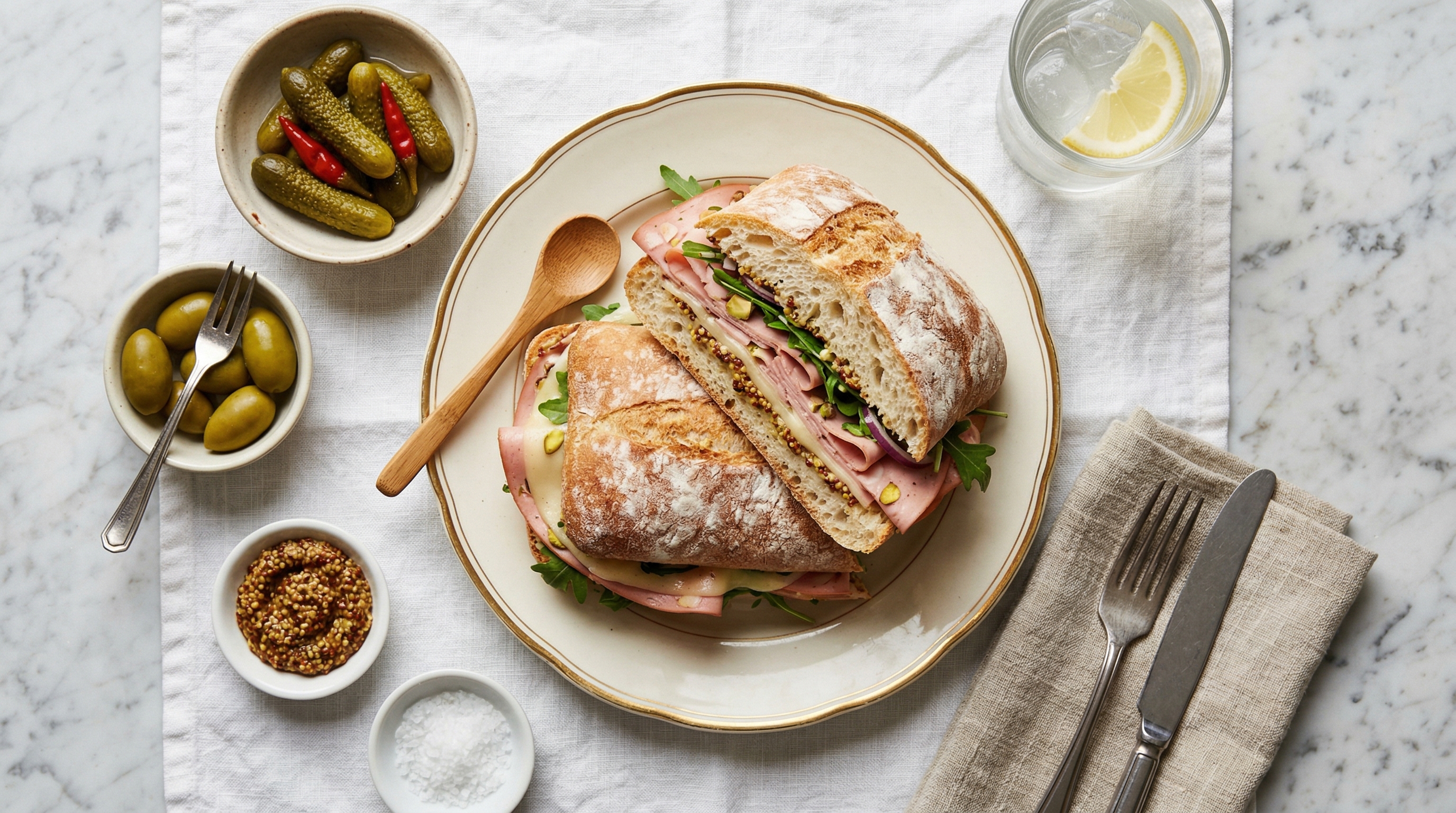
This sandwich showcases mortadella's delicate flavor. The bread, cheese, and pickled vegetables create textural and flavor contrast. It is simple, yet satisfying.
Mortadella and Pistachio Pesto Pasta
Mortadella
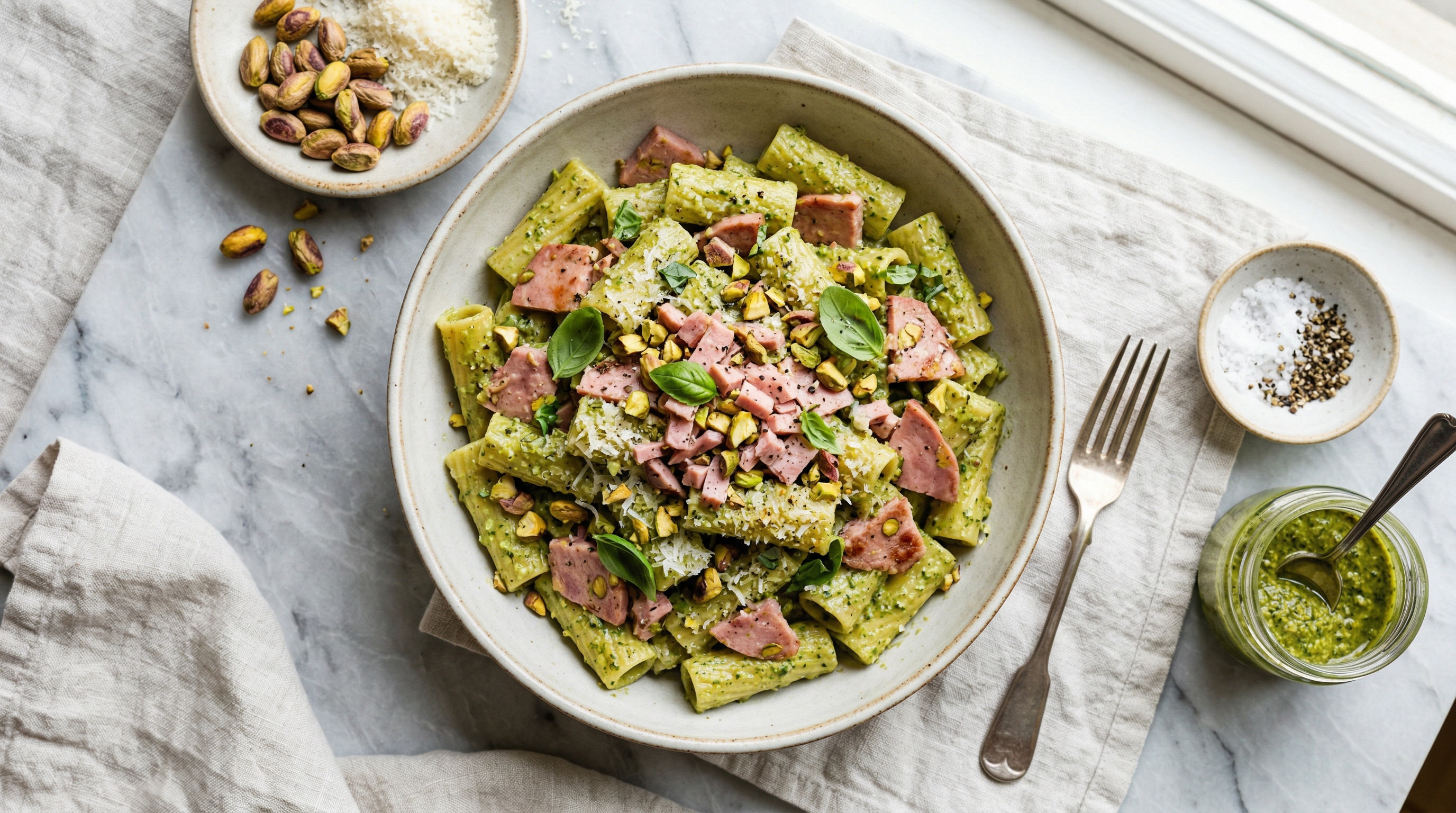
This pasta dish transforms simple ingredients into a rich, flavorful meal. Mortadella's delicate pork flavor pairs beautifully with the bright, nutty pesto. It comes together quickly for a satisfying weeknight dinner.
On the Map
Where to Buy
+ Know a producer? Suggest one
Where to Eat
Drogheria della Rosa
Bologna, Italy
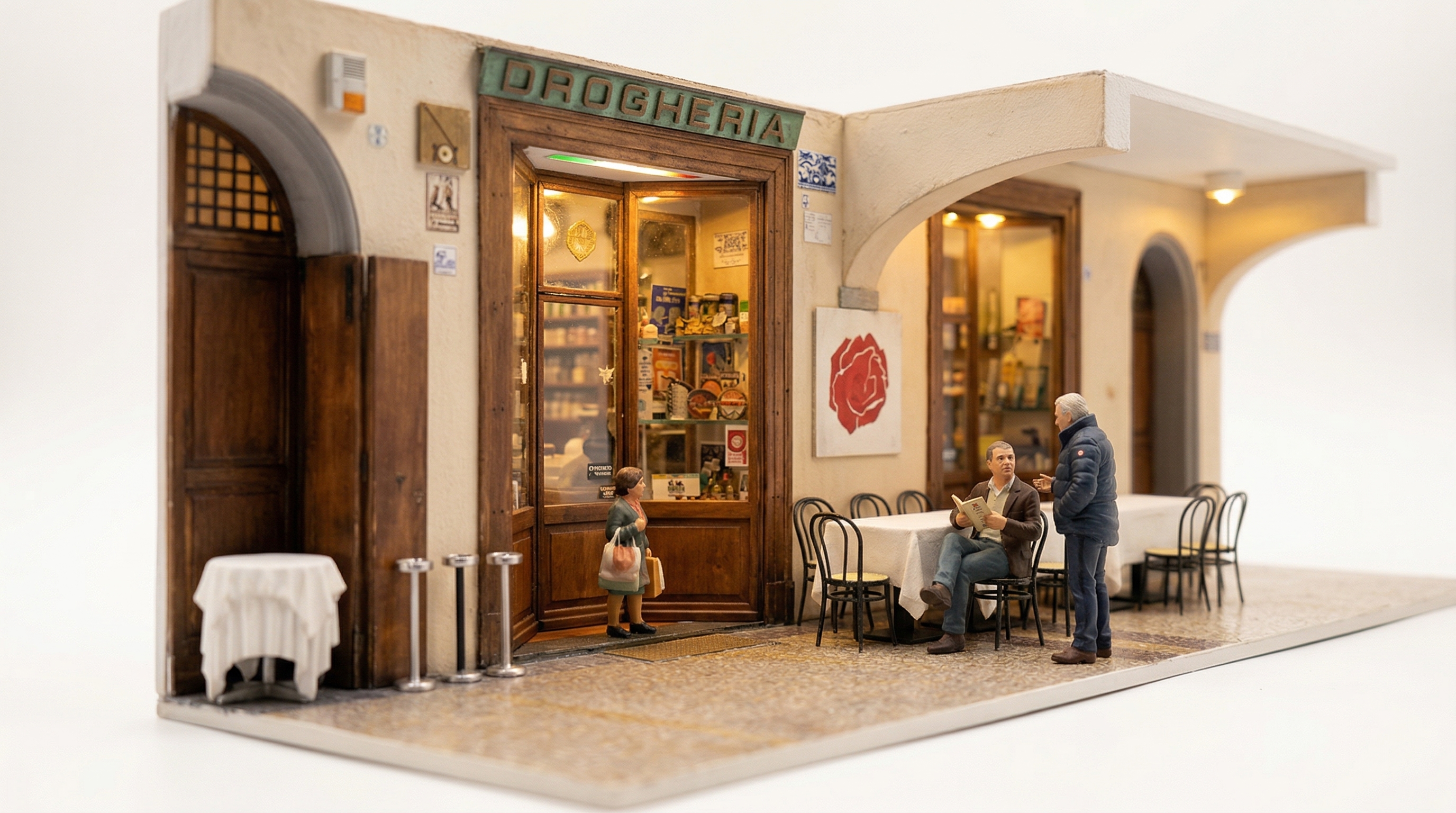
The building on Via Cartoleria operated as a pharmacy for generations before Emanuele Addone converted it into a restaurant in 1997. Some of the original glass cabinets and shelving remain, now holding wine bottles instead of remedies. The menu rotates daily around what is local and in season. Salumi boards arrive with mortadella, cured meats from smaller Emilian producers, and bread from a nearby bakery. The room seats thirty at most, and reservations are worth making.
Mercato delle Erbe
Bologna, Italy
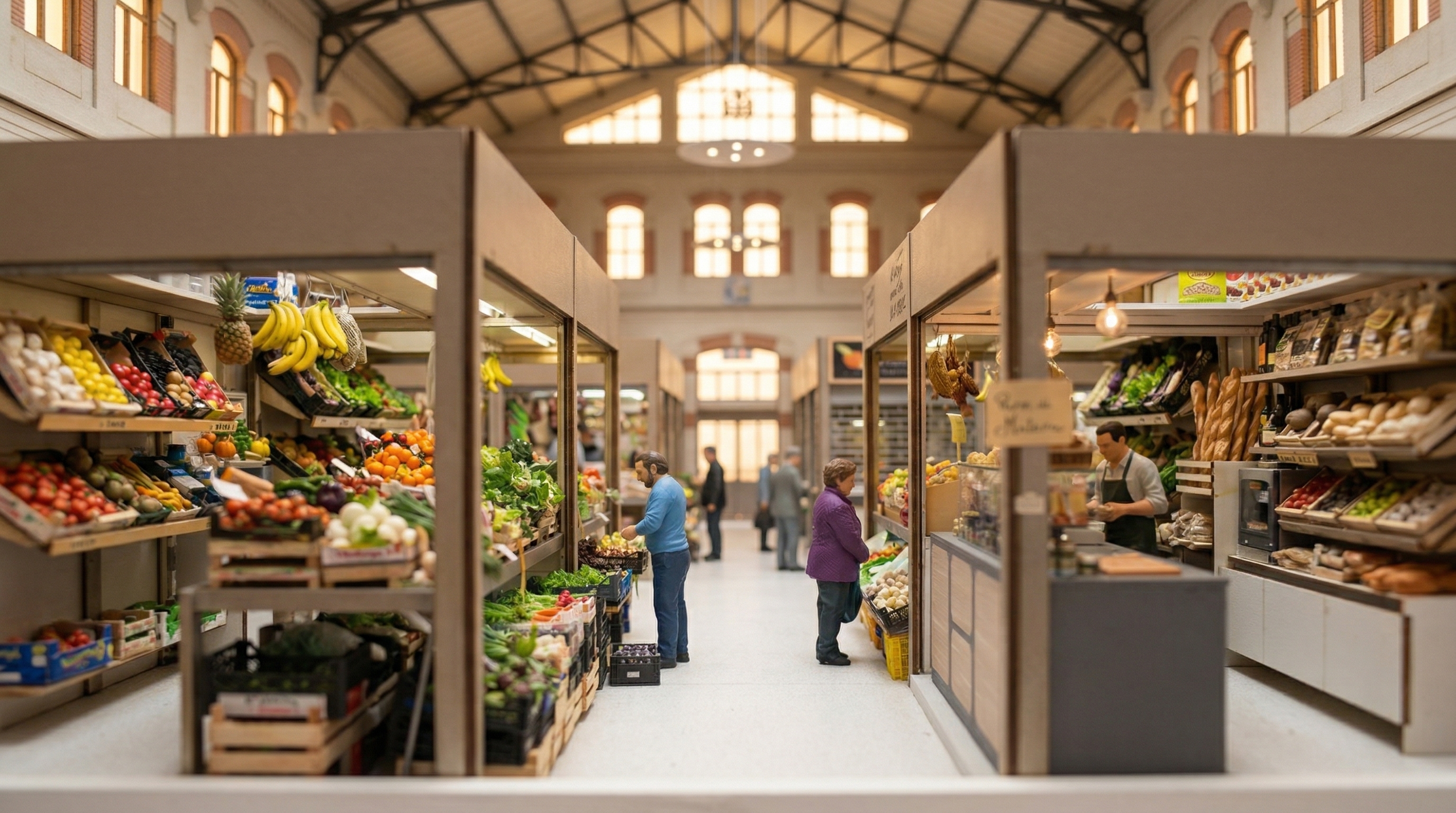
Bologna's largest covered market fills a vaulted iron-and-glass hall on Via Ugo Bassi, opened in 1910. Produce runs down the central aisles, and salumerie line the perimeter walls. Mortadella appears at most of them, sold whole or sliced to order. The market runs Monday through Saturday and slows in the early afternoon. A handful of small food stalls at the back serve lunch to the traders and regulars who have been coming here since before the neighbourhood changed around them.
Mercato di Mezzo
Bologna, Italy
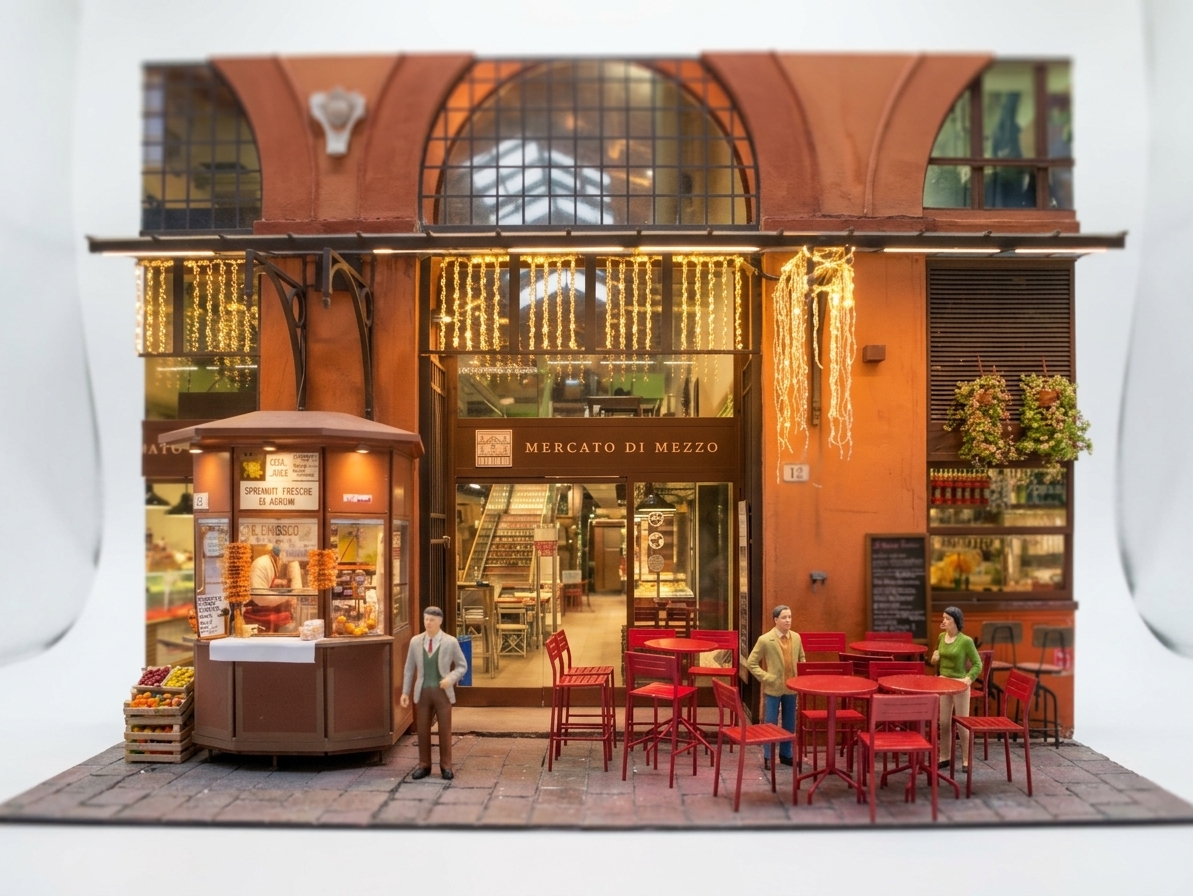
Mercato di Mezzo sits at the centre of the Quadrilatero, the medieval market grid that still functions as Bologna's food heart. The covered hall brings together vendors selling mortadella by the slice, cotechino in winter, fresh pasta, and local cheeses. A mezzanine bar overlooks the ground floor stalls. The mercato runs from morning until late evening, and the crowd shifts from market shoppers to aperitivo drinkers as the day goes on.
Osteria del Sole
Bologna, Italy
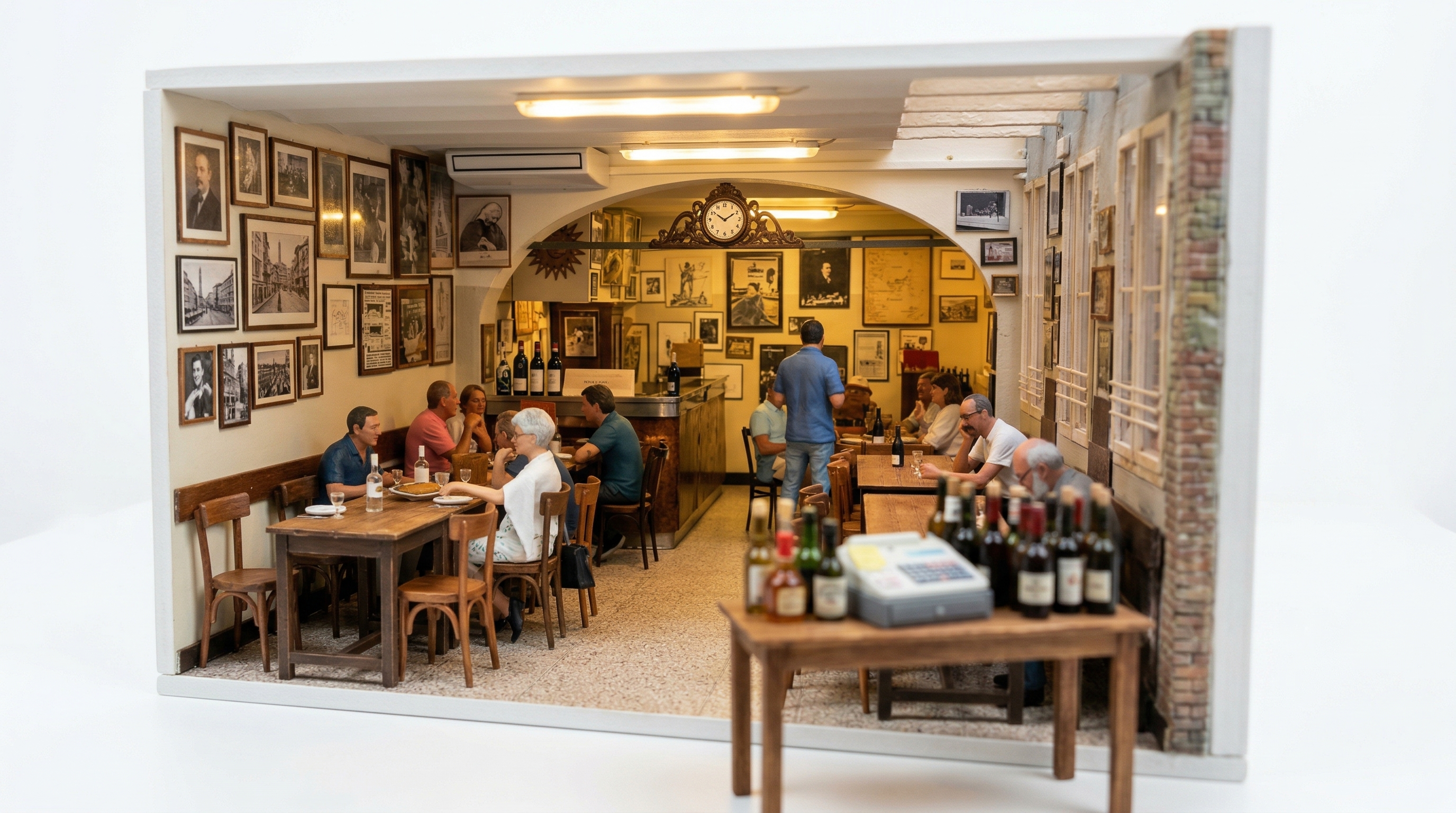
The Osteria del Sole has sold wine from this low-ceilinged room since 1465. It serves no food. You order a glass at the bar, find a seat at a communal table, then walk three steps across the alley to Bottega Ranocchi 1972 for mortadella, a wedge of cheese, or whatever is behind the glass counter. You bring it back yourself. That arrangement has held for five centuries. Old labels cover the walls from floor to ceiling, and by noon every table is taken.
Salumeria Bruno e Franco
Bologna, Italy
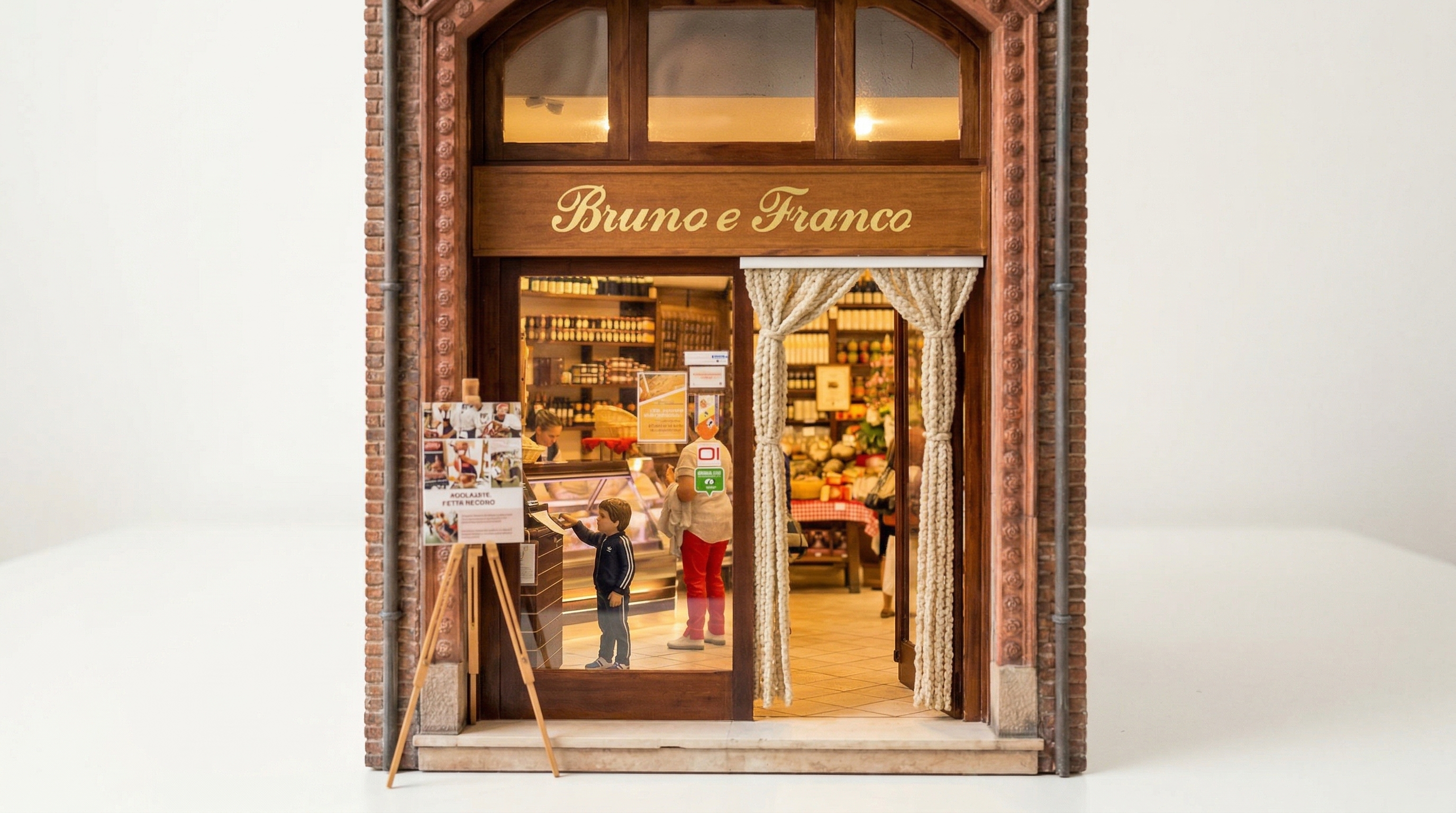
Bruno e Franco sits on Via Oberdan, away from the tourist circuit of the Quadrilatero. The neighbourhood deli format means no performance — just counter service, reasonable prices, and mortadella that gets sliced to order. The kind of place where regulars drop in on a Tuesday with a specific request and leave satisfied three minutes later. The coppa di testa is made by a local producer and changes with the season.
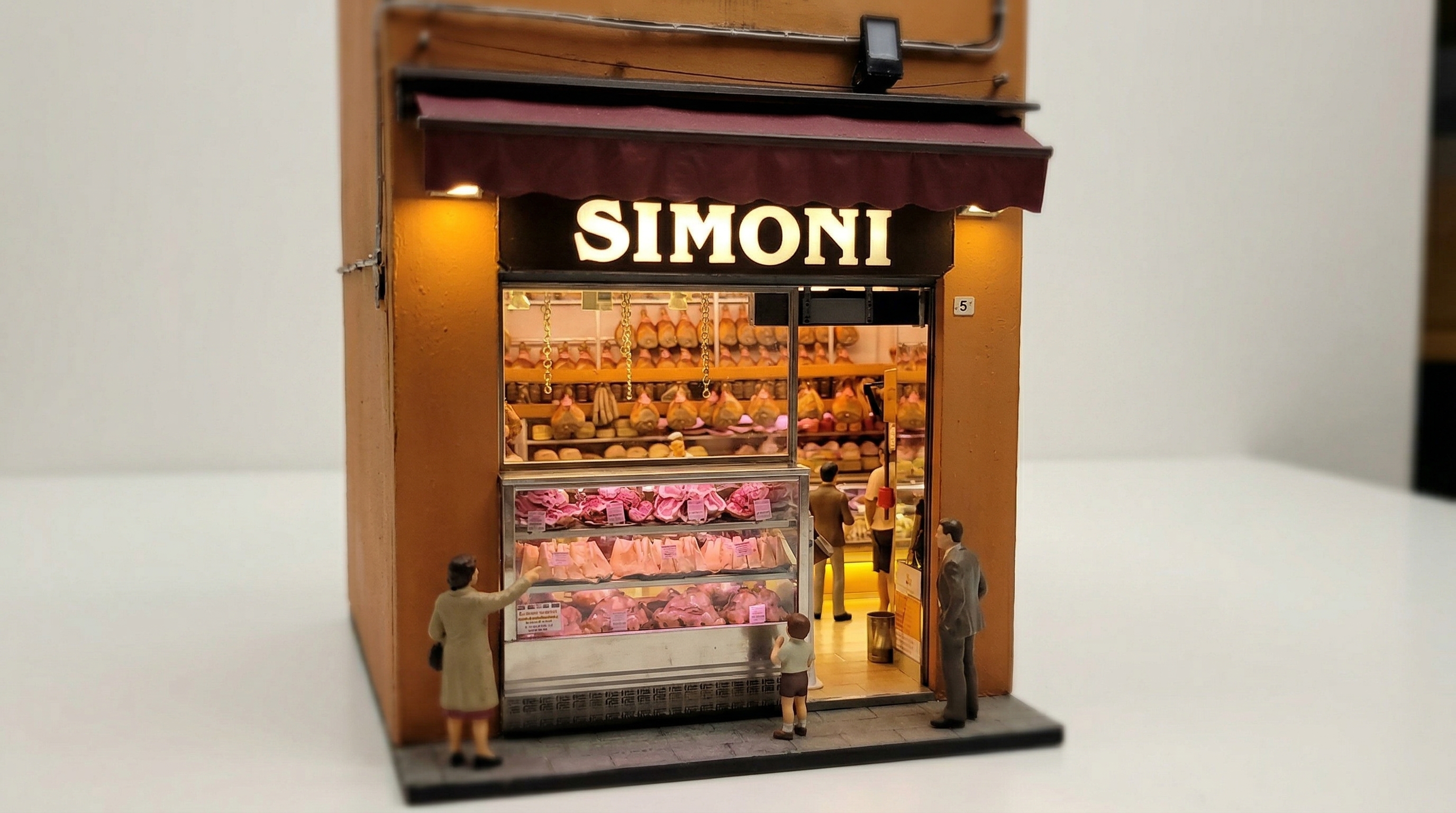
Salumeria Simoni
Bologna, Italy
Salumeria Simoni has occupied its corner of Via Drapperie since 1951. Cured meats hang from the ceiling in dense rows, and the smell reaches you before the shop does. This is the Quadrilatero at its most photogenic — but the locals who come here aren't after atmosphere. They want mortadella sliced thin, a piece of good salame, and a quick conversation with whoever is behind the counter. The shop stocks regional producers from across Emilia-Romagna.
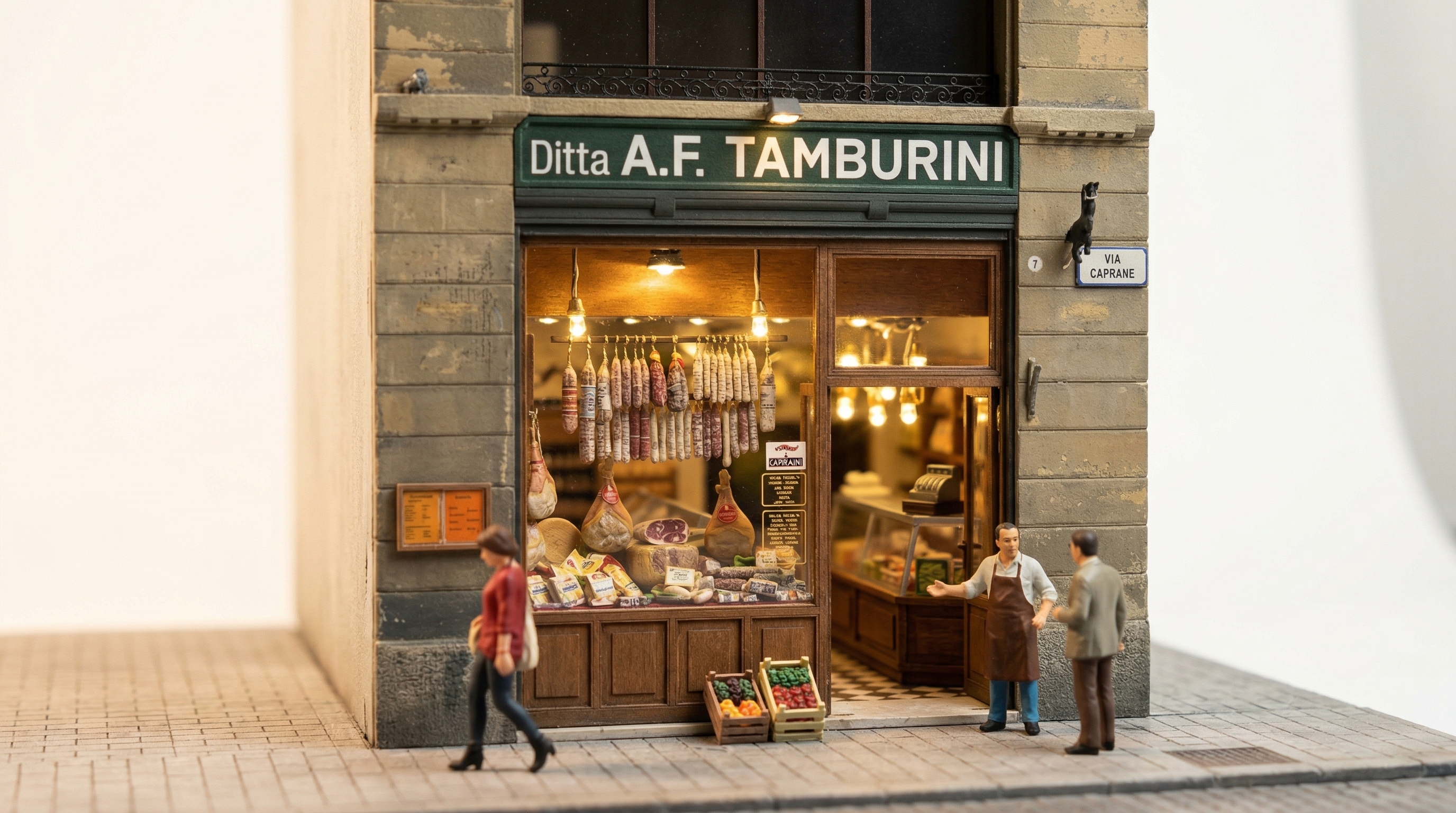
Tamburini
Bologna, Italy
Tamburini opened on Via Caprarie in 1932 and has anchored Bologna's Quadrilatero ever since. Mortadella hangs in the window, cotechino rests in the cold case, and the counter staff move with the efficiency of people who have sliced a lot of meat. The shop is also a tavola calda — warm dishes at lunch, eaten standing at narrow counters along the walls. No other salumeria in Bologna draws the same mix of locals, market vendors, and visitors who have done their homework.