Kaszanka
Kiszka / Krupniok (Silesia)
Silesia, Poland
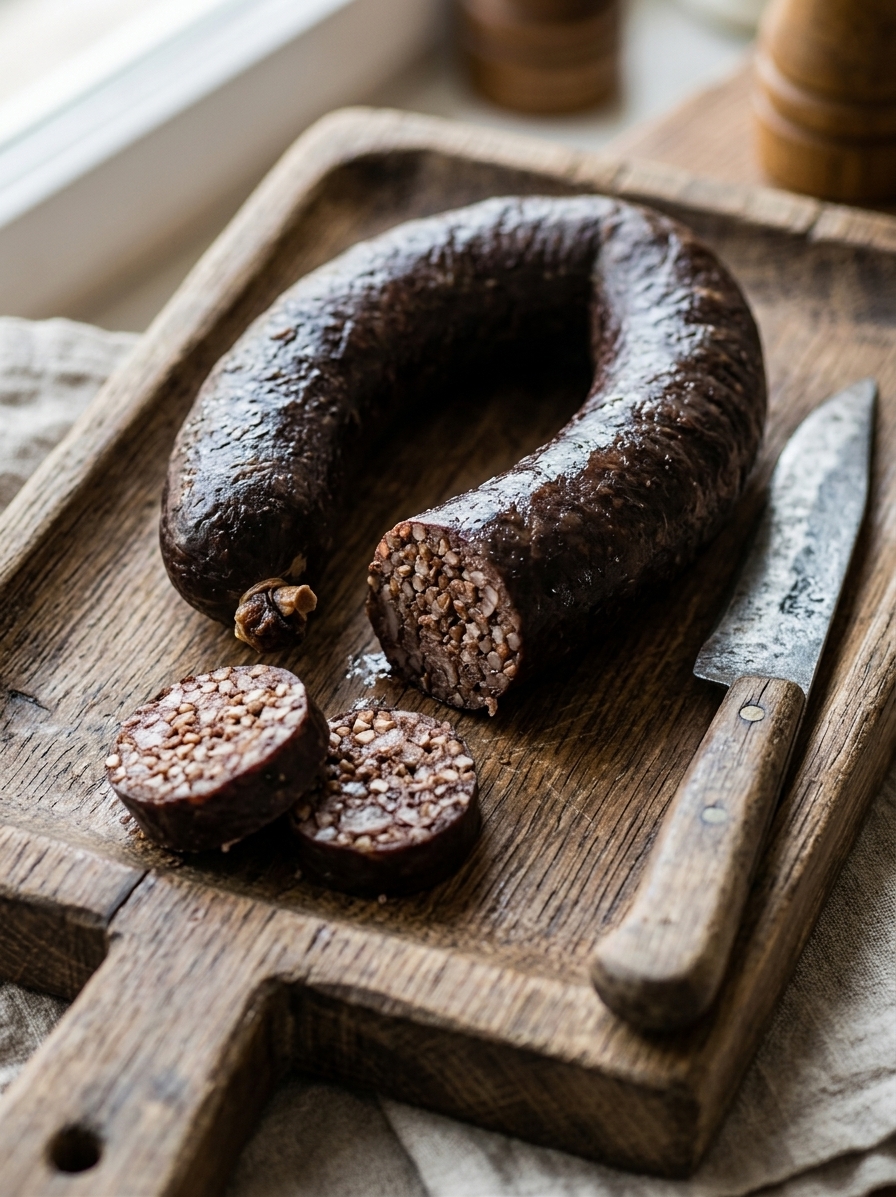
Kaszanka is Poland's blood sausage, made from pork offal — head meat, jowls, snouts, and liver — combined with pork blood and cooked groats. Buckwheat is the traditional grain in central and eastern Poland; barley is more common in the west and in Silesia. The groats cook in meat stock and are mixed with the blood, which binds and colours the filling. Stuffed into pork middles, the sausage is poached until firm, then sold ready to eat. The Silesian version, called Krupniok, holds EU PGI status since 2016 and differs meaningfully: it uses lungs and cracklings alongside the standard cuts, requires 85 percent animal-origin content, and is tied into shorter, firmer links. A rice-based version exists in eastern Poland, producing a paler, milder sausage. Kaszanka is pre-cooked when sold — it needs only reheating and browning.
History
The name kiszka comes from the Polish word for intestine. Kaszanka derives from kasza, meaning groats, foregrounding the grain filler. The Silesian name krupniok comes from krupy, an old word for groats. Blood sausages made with grain are documented across Central and Eastern Europe from medieval times, produced during the autumn pig slaughter when blood was available and groats were plentiful. In Silesian mining communities, krupniok was a practical food: calorie-dense, cheap, made from parts that would otherwise go to waste. The annual Święto Krupnioka festival in Nikiszowiec, the miners' quarter of Katowice, revives this tradition each year. Krupniok received EU PGI protection in 2016, requiring production within the Silesian Voivodeship and a minimum 85 percent animal-origin content.
Ingredients
Preparation
The pork cuts are poached at 80 to 85°C until fully cooked. The stock is reserved. Buckwheat or barley groats are boiled in the meat stock, then rested covered to absorb fully. Cooked pork goes through a coarse grinder; skins and raw liver through a fine plate. The blood is mixed with the groats, then combined with the ground meats, onion, and spices. The mixture is stuffed loosely into pork middles — groats expand further during the final poach, so overfilling splits the casing. The stuffed sausages poach at 80 to 85°C for 60 to 90 minutes, then cool rapidly in cold water. Krupniok uses shorter, thicker hog casings and a 15 to 20 minute final cook because the links are smaller.
Taste
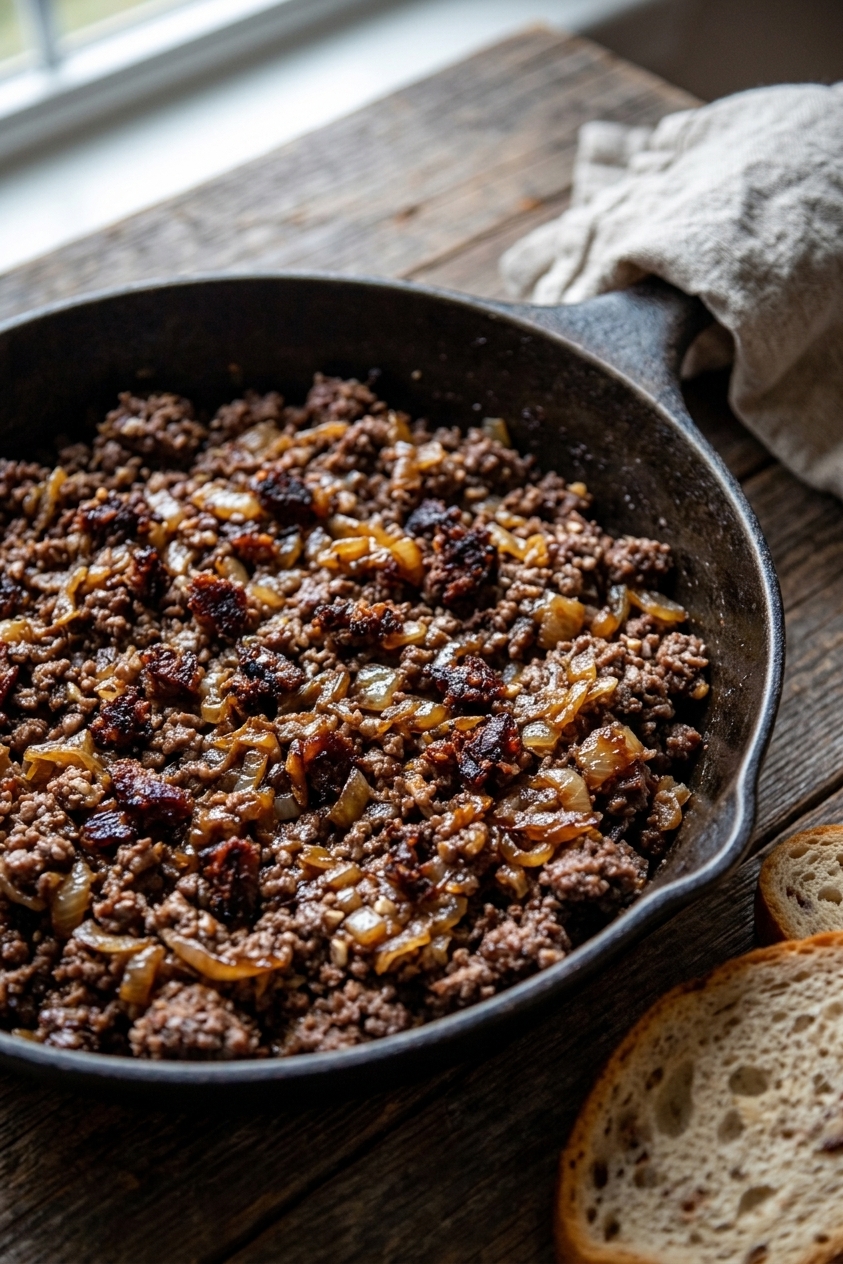
Earthy and mineral from the blood, slightly grainy from the groats, rounded by marjoram and allspice. The liver adds a edge of bitterness. When pan-fried out of the casing, the mixture caramelizes into a loose, dark hash with crispy bits. Krupniok has a more pronounced offal character and firmer bite from the higher meat-to-grain ratio. The rice version is paler and milder, with less mineral weight.
Texture
The casing is dark, firm, and slightly greasy at room temperature. The cross-section shows grey-brown groats scattered through dark filling. Pan-fried without casing, the mixture breaks into loose pieces that crisp at the edges. Grilled in casing, the skin blisters, chars, and eventually splits, releasing rendered fat.
Rituals & Traditions
Święto Krupnioka
Every year in Nikiszowiec, the historic miners' district of Katowice, the Święto Krupnioka brings stalls, grills, and producers into the district square. Krupniok is eaten on bread, fried loose from the casing, and sometimes stuffed into a bun with sauerkraut. The setting — a UNESCO-listed red-brick workers' quarter — gives the festival a specific gravity.
Fry it out of the casing
Remove the casing before frying and let the filling break apart in the pan with onions. This gives far more caramelized surface area and is the standard home preparation across Poland.
Overcook it
Kaszanka is already fully cooked when sold. It needs browning, not cooking through. Too long in the pan dries the groats and turns the filling sandy and bitter.
On the Map
Where to Buy
+ Know a producer? Suggest oneWhere to Eat
Restauracja Tatiana
Katowice, Poland
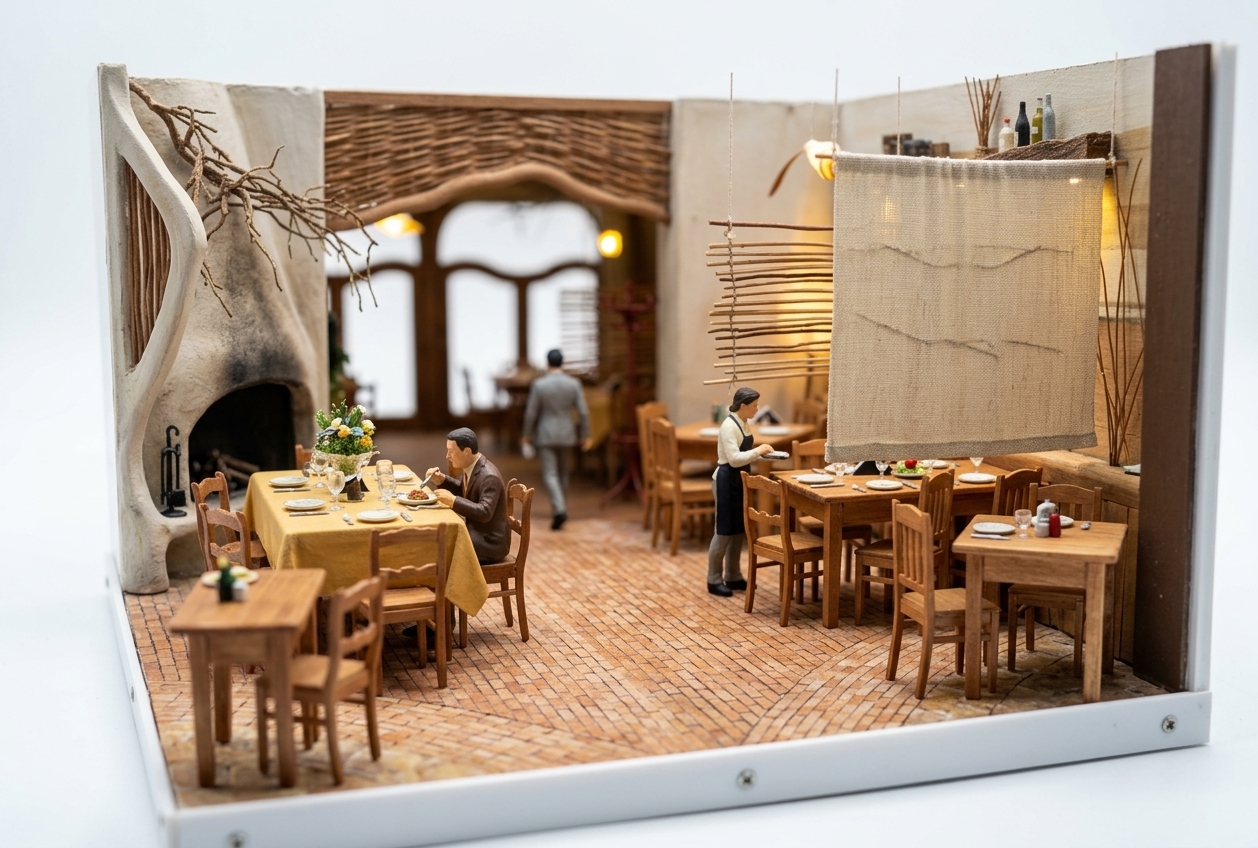
A Katowice institution for traditional Silesian cooking. Tatiana runs through the weekly menu that anchors the region: rolada śląska, kluski śląskie, modra kapusta, and krupniok in several forms. The dining room is plain and well-used. Locals come for the food, not the room.
Śląska Prohibicja
Katowice, Poland
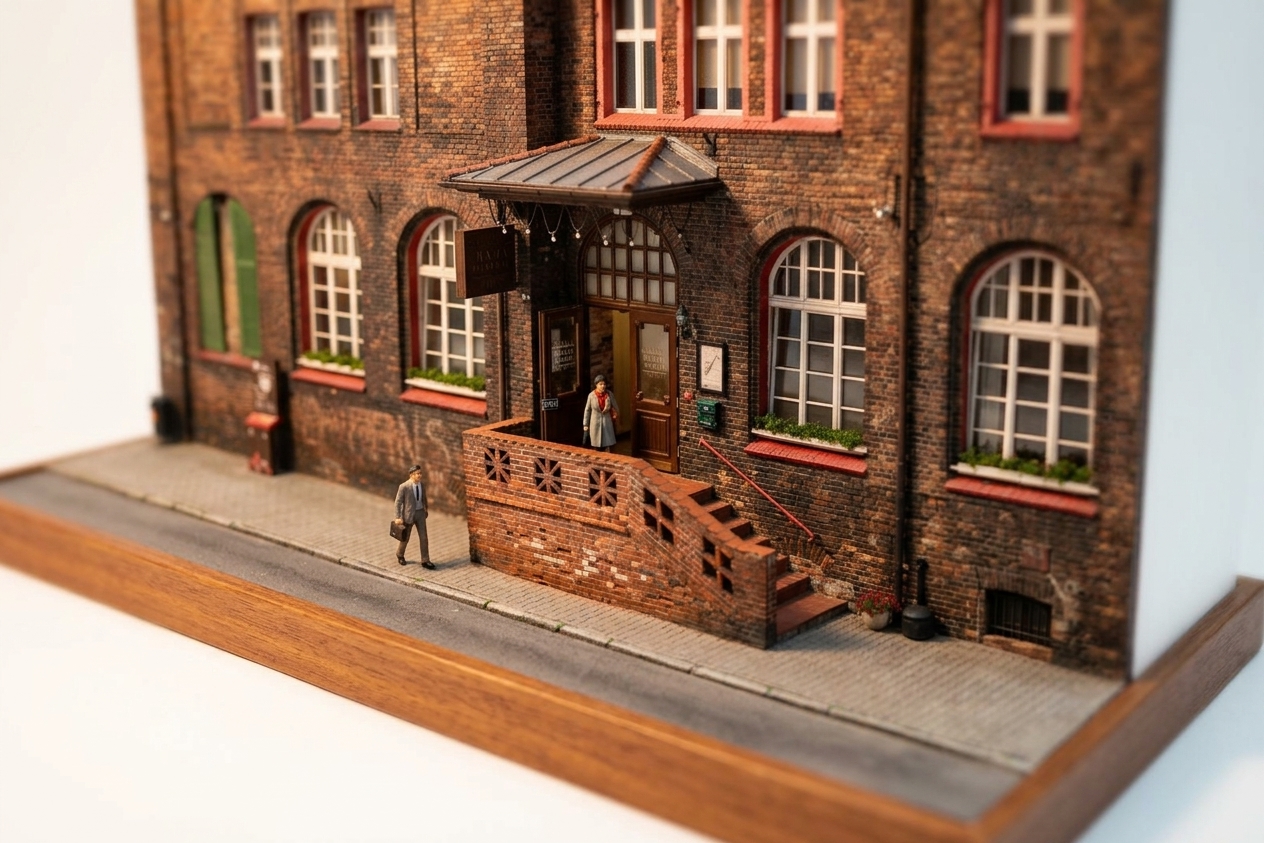
A bar and kitchen in Nikiszowiec, the UNESCO-listed miners' quarter of Katowice. Prohibicja leans into the industrial identity of the district: brick walls, dark wood, local beer, and Silesian food built around krupniok. During the annual Święto Krupnioka festival the square outside fills with stalls, and the bar is the anchor.
Wiejska Chatka
Katowice, Poland
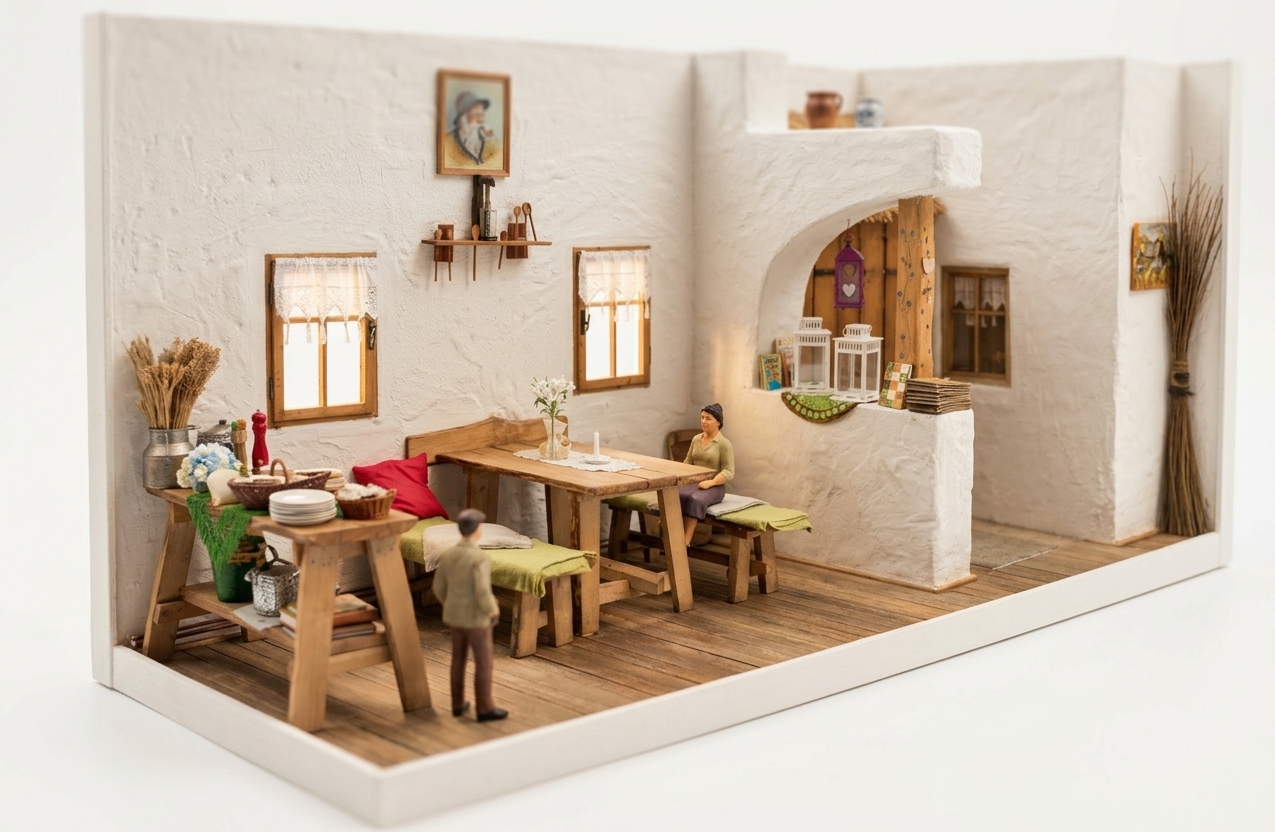
A village-style restaurant on the edge of Katowice serving straightforward Silesian home cooking. The name means 'village cottage' and the interior matches: wooden benches, checked tablecloths, portions sized for miners. Krupniok appears fried with onions and on the grill depending on the day.