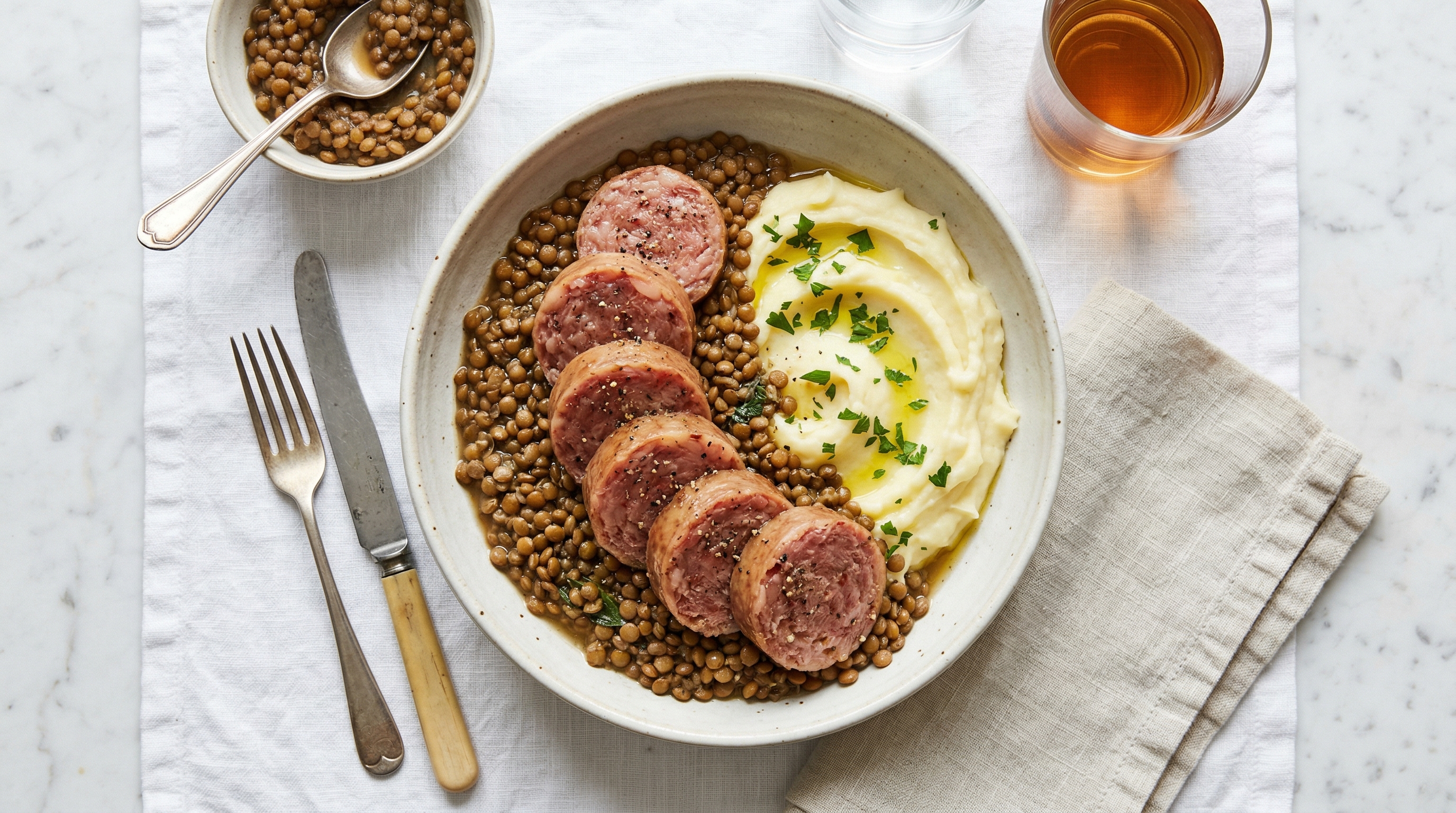
Cotechino
Emilia-Romagna, Italy
Cotechino is a pork sausage from Italy. It features pork rind, muscle, and fat. Often served during the winter months, it brings warmth and richness to any meal. It sees frequent use alongside lentils.
History
Cotechino is documented in the Emilia-Romagna region from the early 16th century. One origin story connects it to the 1511 siege of Mirandola — when Pope Julius II besieged the town, residents reportedly packed pork scraps and rind into casings to preserve food through the blockade. Whether or not the siege story is accurate, Mirandola and the surrounding Po Valley have been its home territory ever since. The sausage spread through northern Italy and now carries IGP protection as Cotechino Modena. It remains a fixture of New Year tables across Italy, served with lentils.
Ingredients
Preparation
The preparation involves grinding pork rind, muscle, and fat. The mixture seasons with salt, pepper, and spices, then stuffs into a natural casing. Cotechino requires slow cooking, often simmering in water for several hours until tender.
Taste
Cotechino has a rich, savory, and slightly fatty flavor. The spices enhance the pork's inherent taste. The rind adds a unique depth.
Texture
The texture is soft and yielding, with a good balance of fat and meat. It lacks a distinct snap. The long cooking time results in a tender, almost spreadable consistency.
Rituals & Traditions
New Year's Eve Feast
Serving cotechino with lentils on New Year's Eve is an Italian tradition. It symbolizes good luck and financial prosperity for the coming year, a hopeful start.
Simmer slowly
Cook the cotechino at a gentle simmer for the best texture. Avoid boiling it vigorously; that makes it tough.
Overlook the soaking
Some cotechino requires soaking in cold water before cooking. Skipping this step can lead to a tough, unevenly cooked sausage.
Recipes
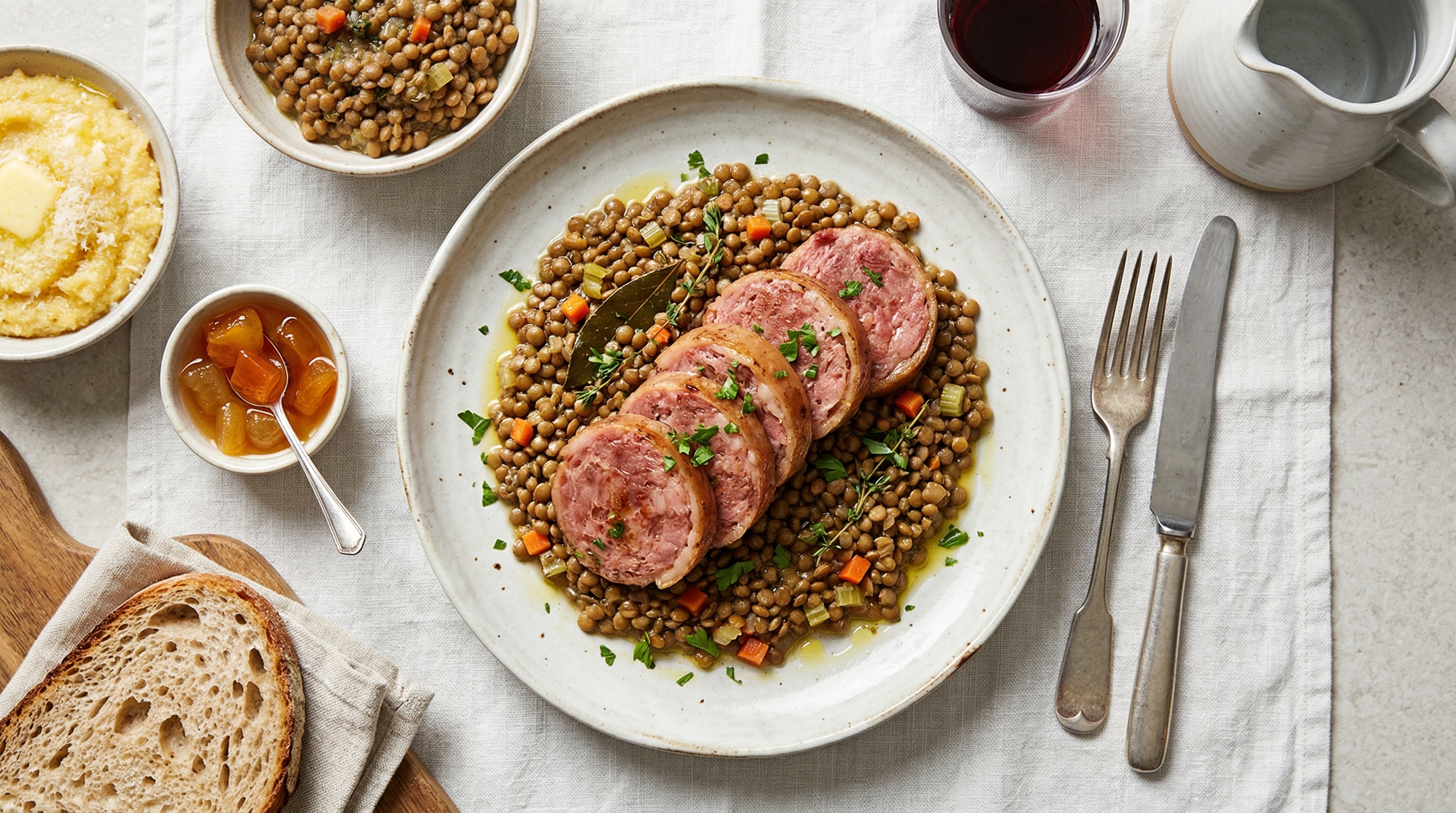
Classic Cotechino with Lentils
Cotechino
Cotechino is a traditional Italian sausage, especially popular during the winter holidays. This recipe pairs the rich, fatty sausage with earthy lentils for a hearty and satisfying meal.
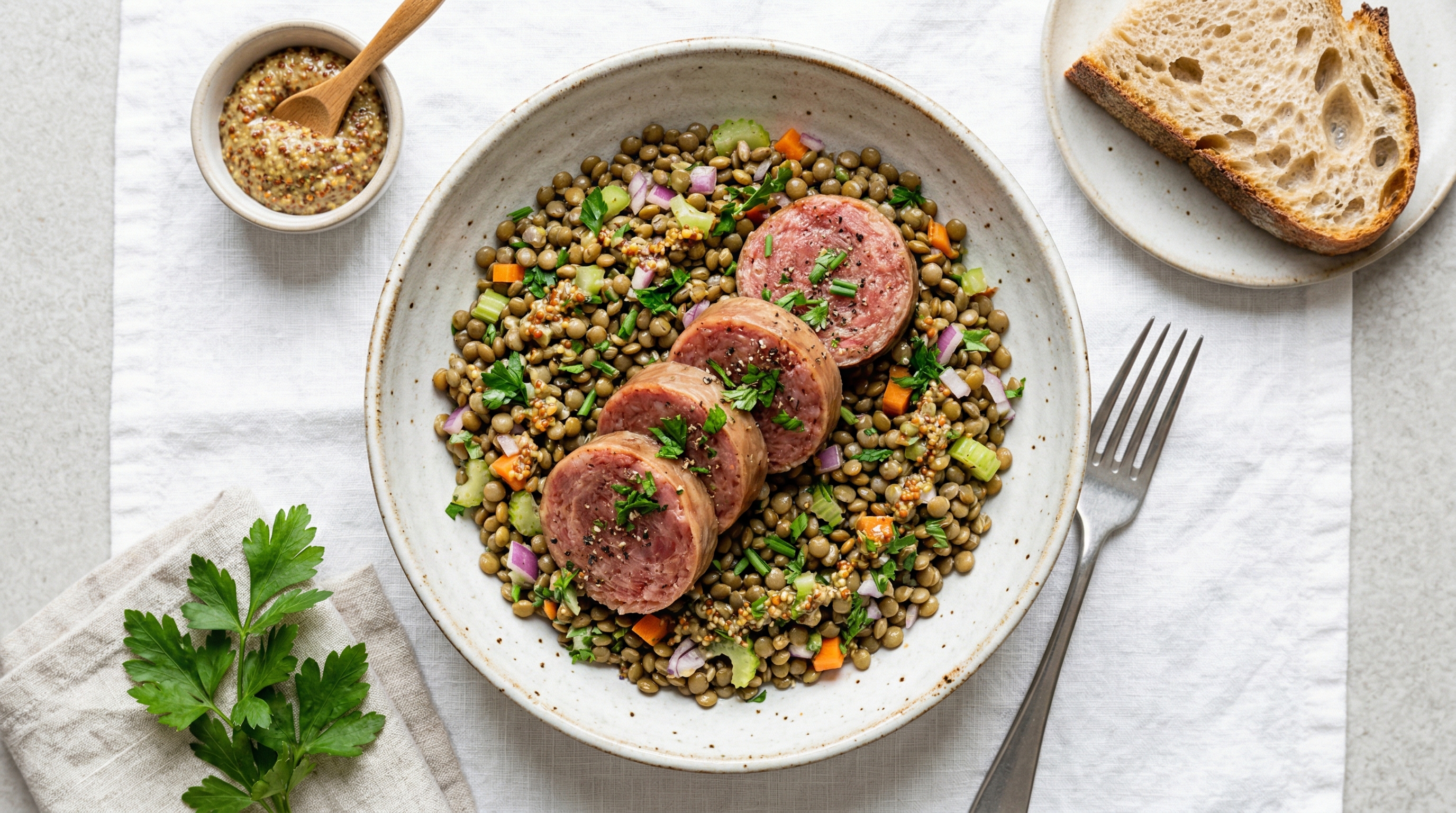
Cotechino and Lentil Salad with Mustard Vinaigrette
Cotechino
This salad transforms humble Cotechino into a light, flavorful meal. Earthy lentils, rich sausage, and a sharp mustard vinaigrette create a satisfying combination. It's perfect for a quick lunch or a flavorful side dish.
On the Map
Where to Buy
+ Know a producer? Suggest oneWhere to Eat
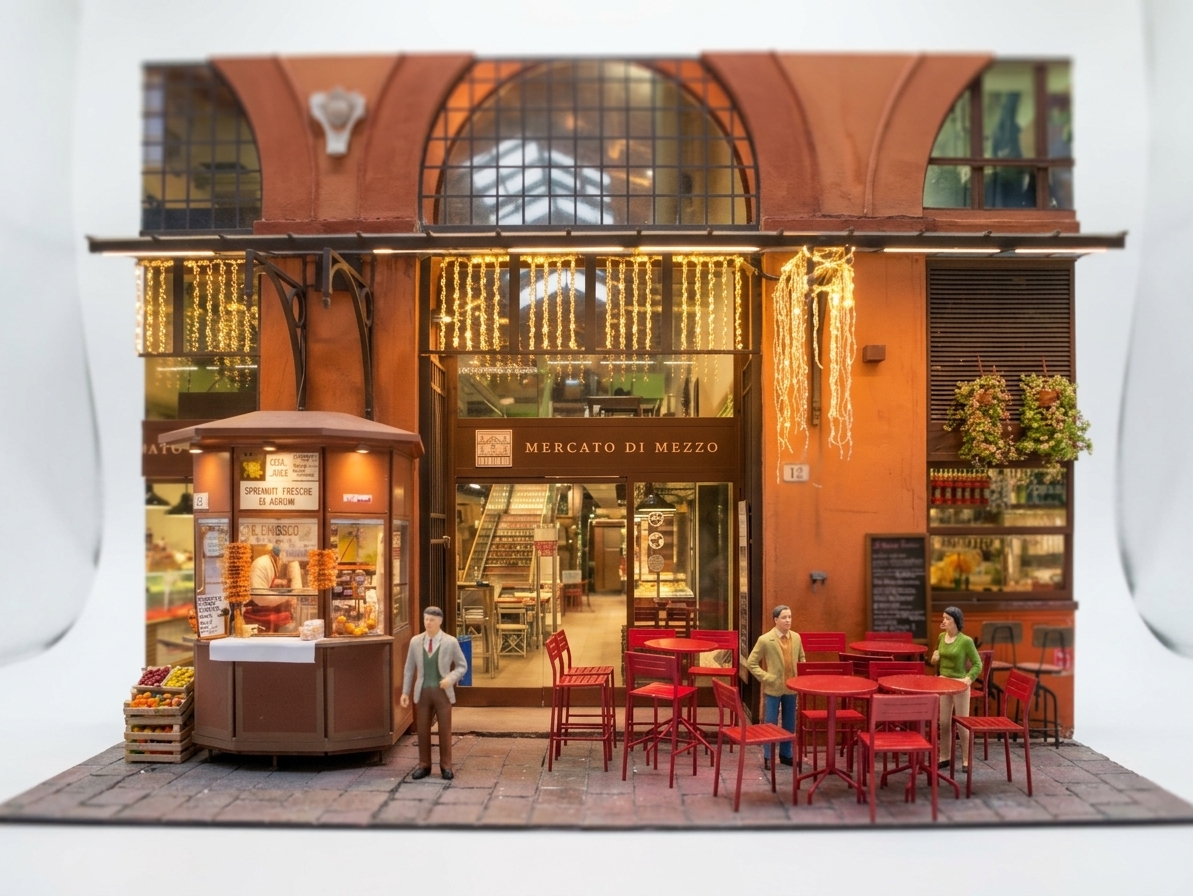
Mercato di Mezzo
Bologna, Italy
Mercato di Mezzo sits at the centre of the Quadrilatero, the medieval market grid that still functions as Bologna's food heart. The covered hall brings together vendors selling mortadella by the slice, cotechino in winter, fresh pasta, and local cheeses. A mezzanine bar overlooks the ground floor stalls. The mercato runs from morning until late evening, and the crowd shifts from market shoppers to aperitivo drinkers as the day goes on.
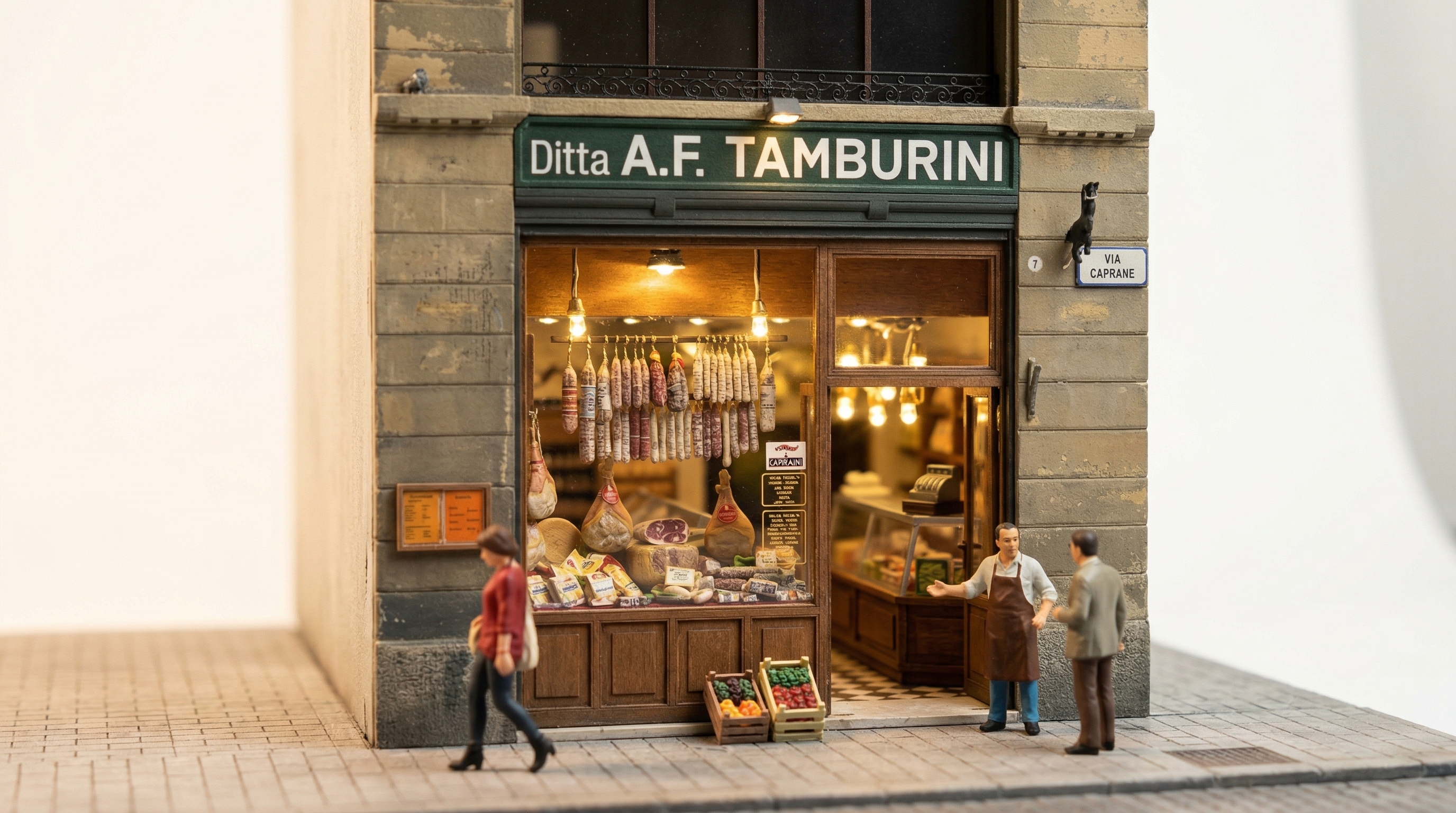
Tamburini
Bologna, Italy
Tamburini opened on Via Caprarie in 1932 and has anchored Bologna's Quadrilatero ever since. Mortadella hangs in the window, cotechino rests in the cold case, and the counter staff move with the efficiency of people who have sliced a lot of meat. The shop is also a tavola calda — warm dishes at lunch, eaten standing at narrow counters along the walls. No other salumeria in Bologna draws the same mix of locals, market vendors, and visitors who have done their homework.
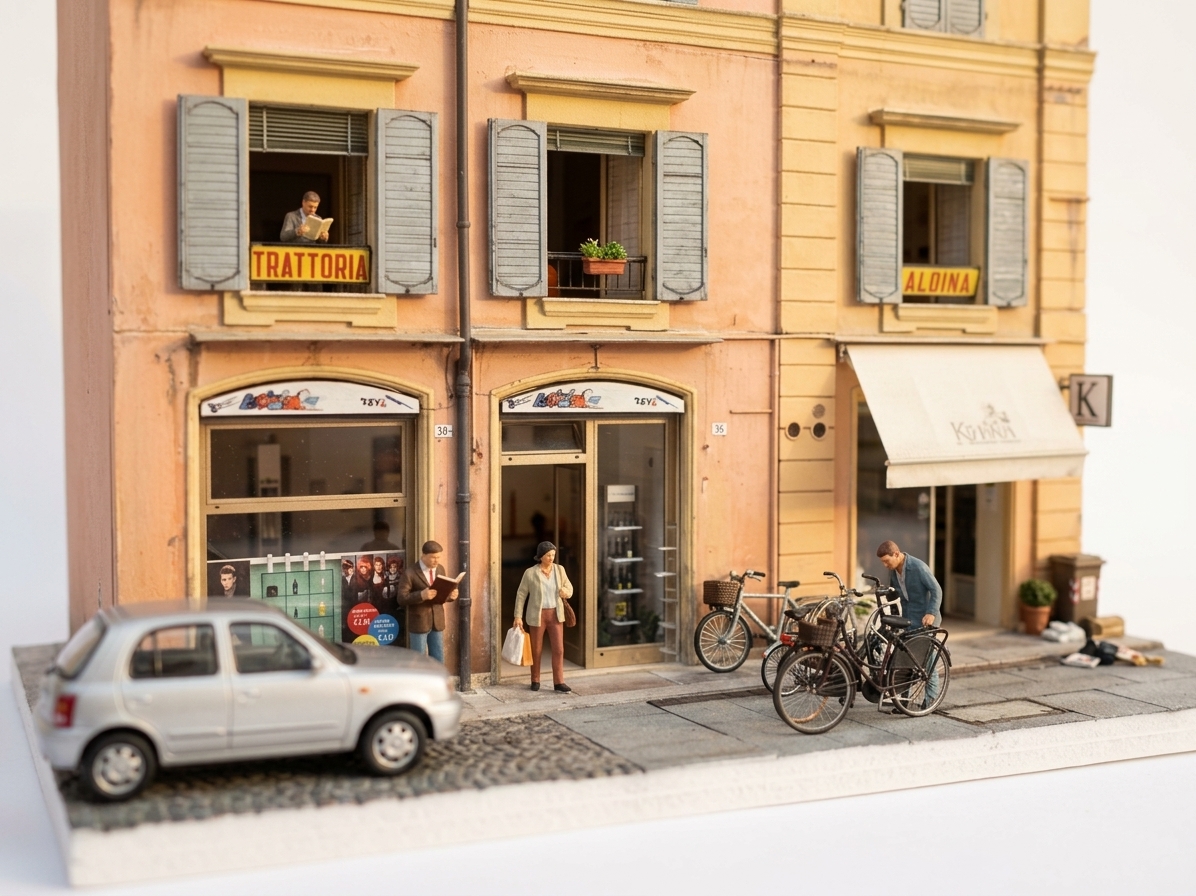
Trattoria Aldina
Modena, Italy
Tucked above Modena's covered market, Trattoria Aldina has been feeding the city's workers since 1945. The menu changes daily, but cotechino with lentils appears every winter without fail. Tables fill by noon. No reservations, no menu card — Aldina's daughter announces the dishes from the kitchen door.
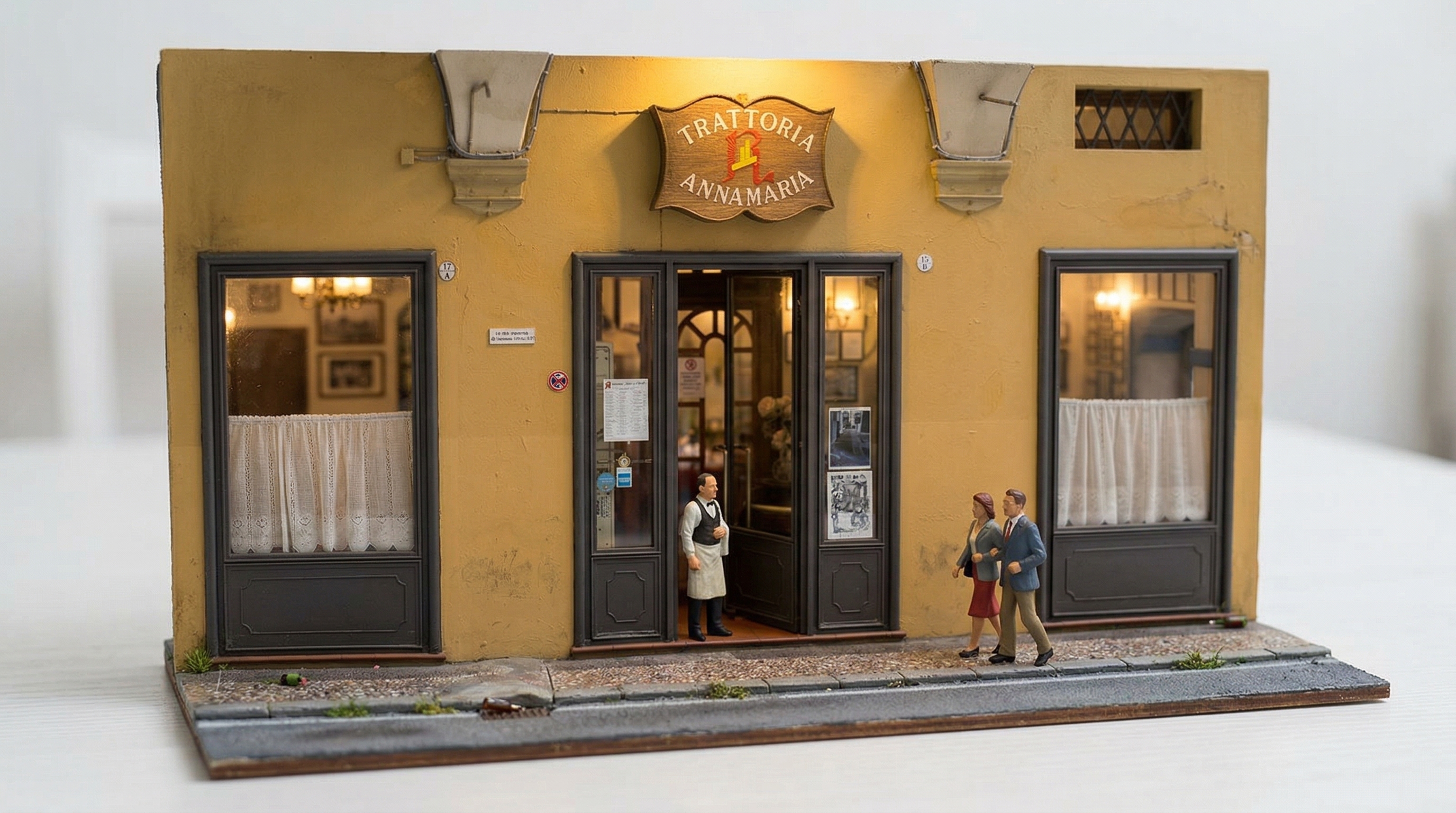
Trattoria Anna Maria
Bologna, Italy
Trattoria Anna Maria occupies a small room on Via Belle Arti, its walls thick with signed photographs from Italian film and theatre. Anna Maria Monari opened it in 1984 and the kitchen has not drifted far from her original repertoire. Handmade pasta is the draw, but the bollito misto — boiled meats served with a green sauce — arrives in winter with cotechino and zampone alongside the chicken and beef. No dish here is meant to impress. Each one is meant to be eaten.